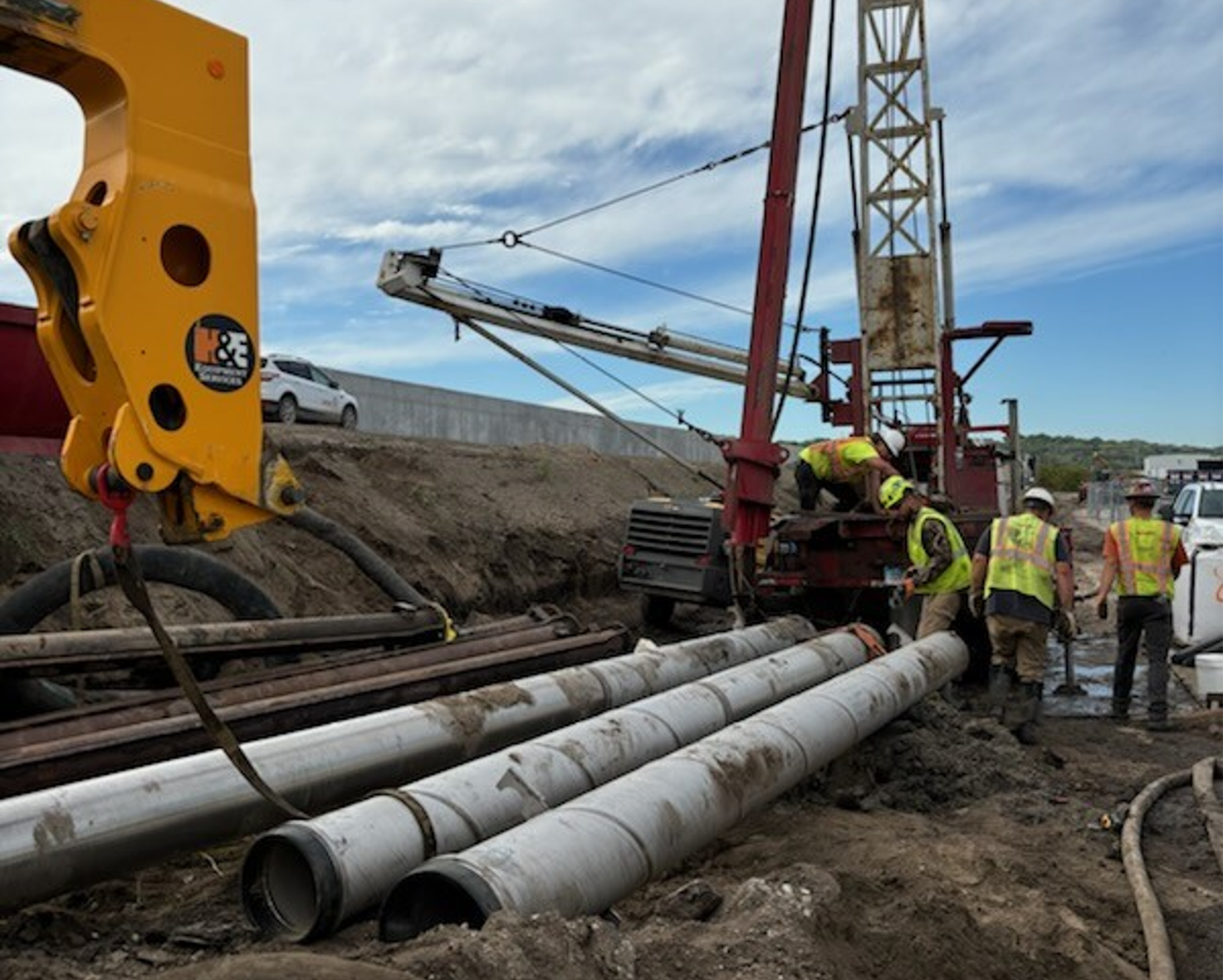
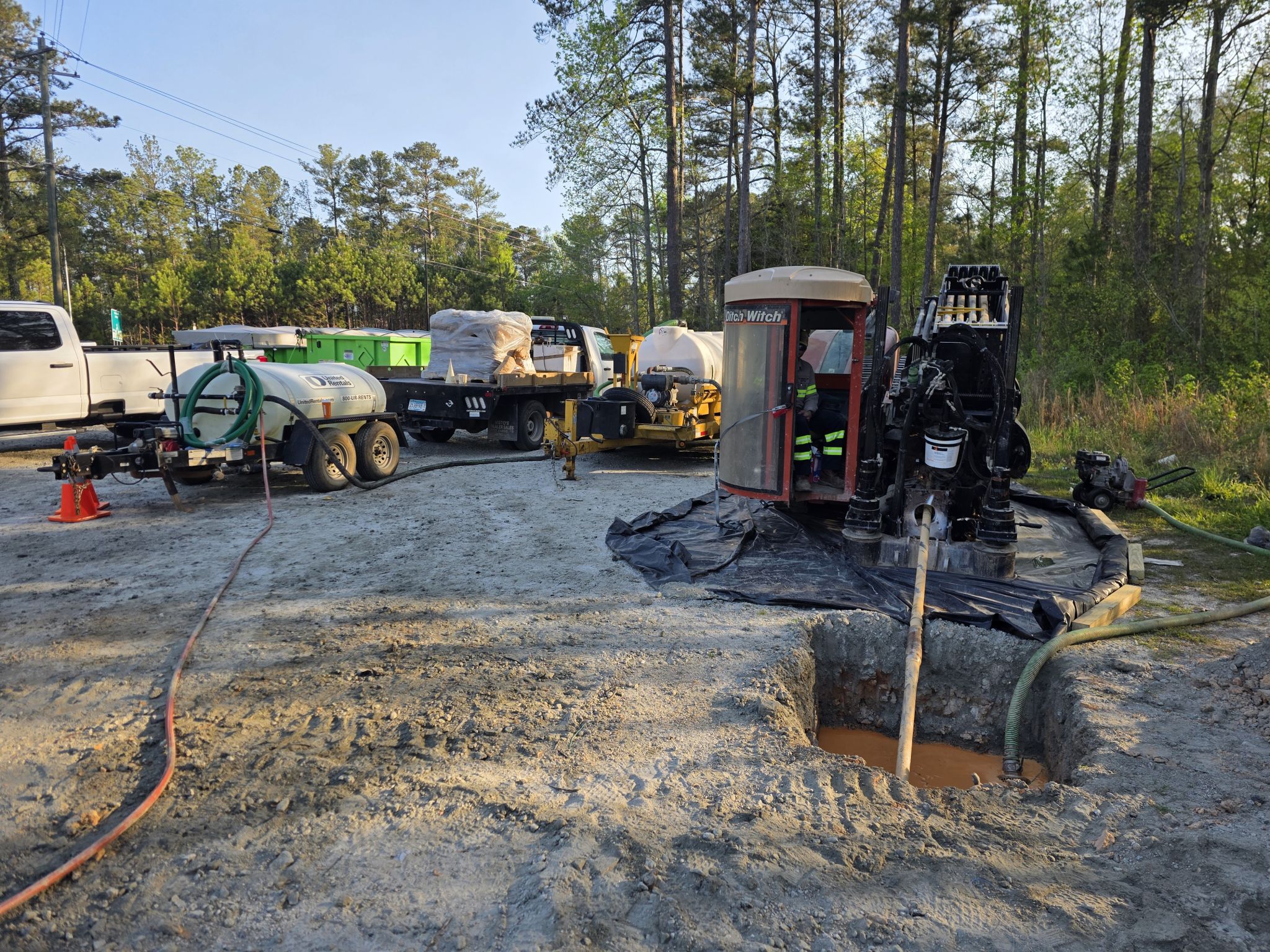
Selecting the right horizontal well screen is not a catalogue decision — it is a site-specific engineering exercise that directly influences flow performance, reliability, and long-term system operability.
Horizontal well screens are not one-size-fits-all components. They are designed to match the performance requirements of each well and the hydraulic conditions of the target formation. Industry guidance for horizontal remediation wells is clear: screen design varies with application, design flow rate, screen length, formation permeability, and the required injection or extraction performance. In practice, the most effective screen is the one that balances hydraulic efficiency, solids control, and long-term operability for its intended duty.
“The most effective screen is the one that balances hydraulic efficiency, solids control, and long-term operability for the intended duty.”
Screen Open Area: A Critical Design Variable
Screen open area alongside well casing and screen diameter is one of the primary variables in horizontal well design, because different applications impose very different flow demands on the system.
Air sparge and bio-sparge wells, for example, are designed to distribute gas in a controlled manner. These may use low-open-area configurations or specialty self-regulating openings to promote even delivery along the screened interval. Groundwater extraction wells, by contrast, are typically designed with substantially higher open area to reduce entrance losses, improve inflow, and maximise production from thin or laterally extensive aquifers.
This distinction is particularly important in dewatering and groundwater recovery work, where screen geometry directly affects achievable yield and operating efficiency. Getting this balance right from the outset can make a meaningful difference to both system performance and long-term maintenance requirements.
Material Selection: More Than a Catalogue Choice
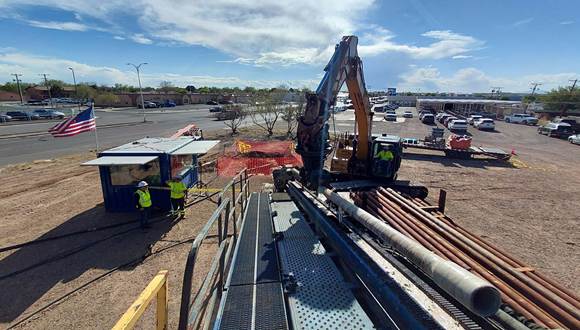
Material selection is equally critical to the success of a horizontal well installation. Common horizontal well screen materials include PVC, high-density polyethylene (HDPE), carbon steel, stainless steel, and a range of specialty alloys. The final selection is driven by installation stresses, borehole and well geometry, corrosion potential, and chemical compatibility with site contaminants.
While materials comparable to those used in vertical wells are employed in horizontal installations, horizontal applications often demand closer attention to mechanical stresses and site-specific chemistry. The screen must perform reliably both during the installation process and throughout the full operating life of the system — a requirement that makes material specification a project-specific decision rather than a default choice.
A Note on Filter and Gravel Packs
One important distinction in horizontal well design is that filter or gravel packs are not normally installed around horizontal well screens. Instead, the target formation is allowed to collapse naturally around the screen during well development. This makes formation gradation, screen slot width, and thorough well development particularly important design considerations.
Key parameters to balance include total flow rate, the proportion of the formation allowed to pass through the screen, and entrance velocity. Careful attention to these factors during the design stage is essential to achieving the performance and longevity expected of the system.
The Professional Takeaway
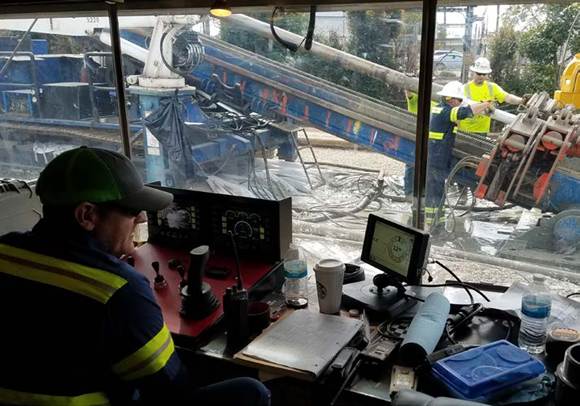
For dewatering professionals, the message is clear: horizontal screen selection should be treated as a project-specific engineering decision, not a standard catalogue choice. Matching screen open area, slot configuration, and material to the specific well objective can significantly influence flow performance, system reliability, and overall longevity.
If you are planning a horizontal well installation or reviewing screen options for a dewatering or remediation project, the Ellingson-DTD technical team can help identify an optimised screen solution tailored to your site conditions and performance goals.
www.ellingsoncompanies.com