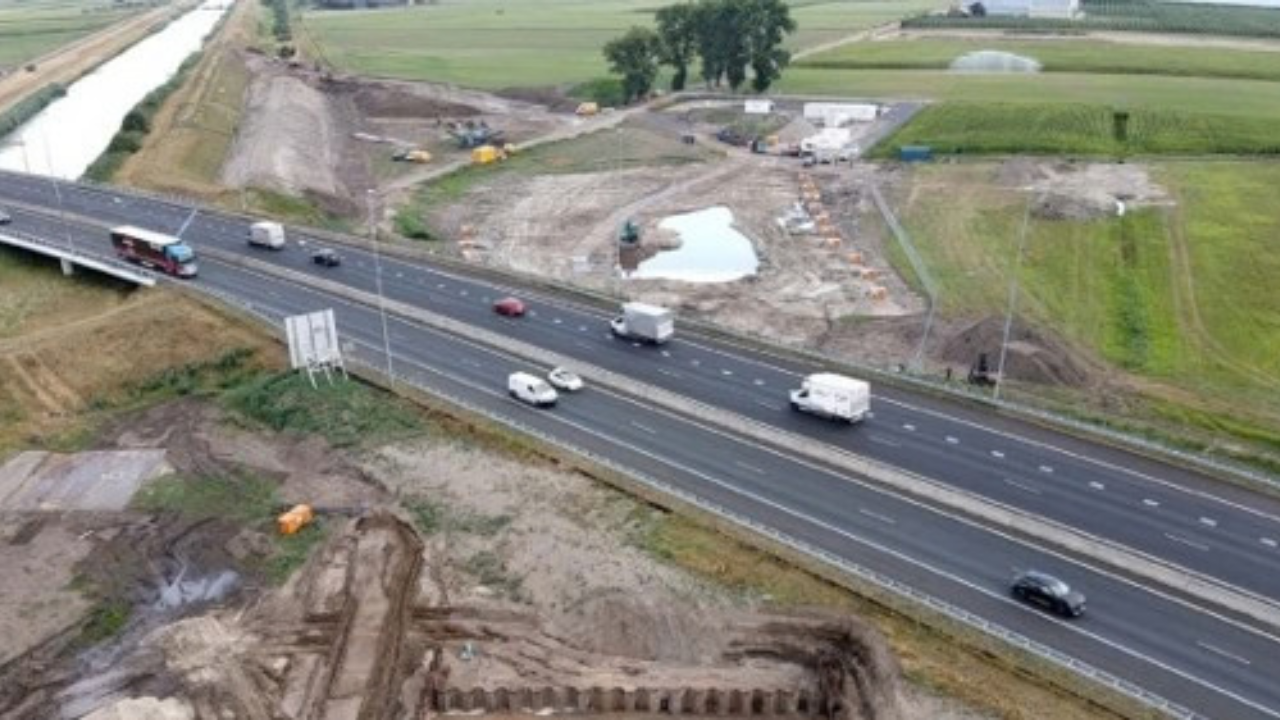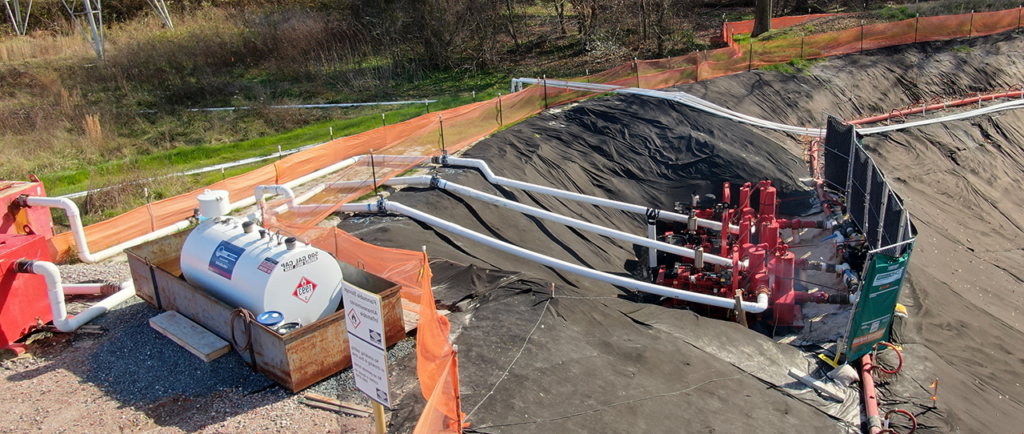
This project involved one of the largest relief well drilling efforts in the region, located along the Kansas River in Kansas City. A total of 119 relief wells were designed by the U.S. Army Corps of Engineers (USACE) and installed across three levee segments: Armourdale, Argentine, and CID levee units.
Each well was custom-built to match site-specific conditions identified through geotechnical borings. Variations in well depth, screen length, and filter pack required a high degree of precision in both design and construction. Strict quality standards were enforced throughout the process to ensure long-term performance and reliability. Prior to any onsite work commencing, all Griffin procedures were required to be comprehensively documented in the form of a USACE Drilling Program Plan (DPP).
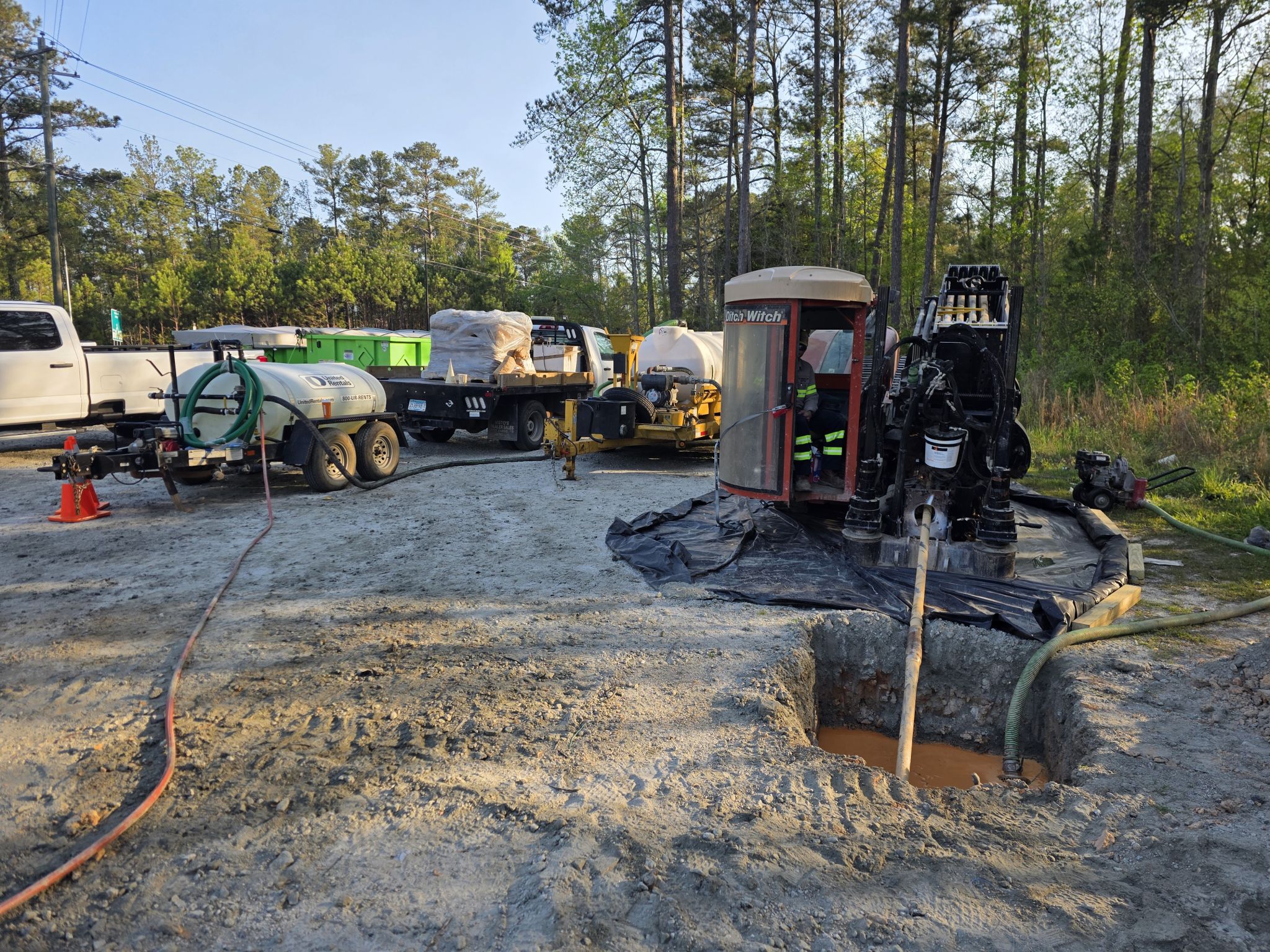
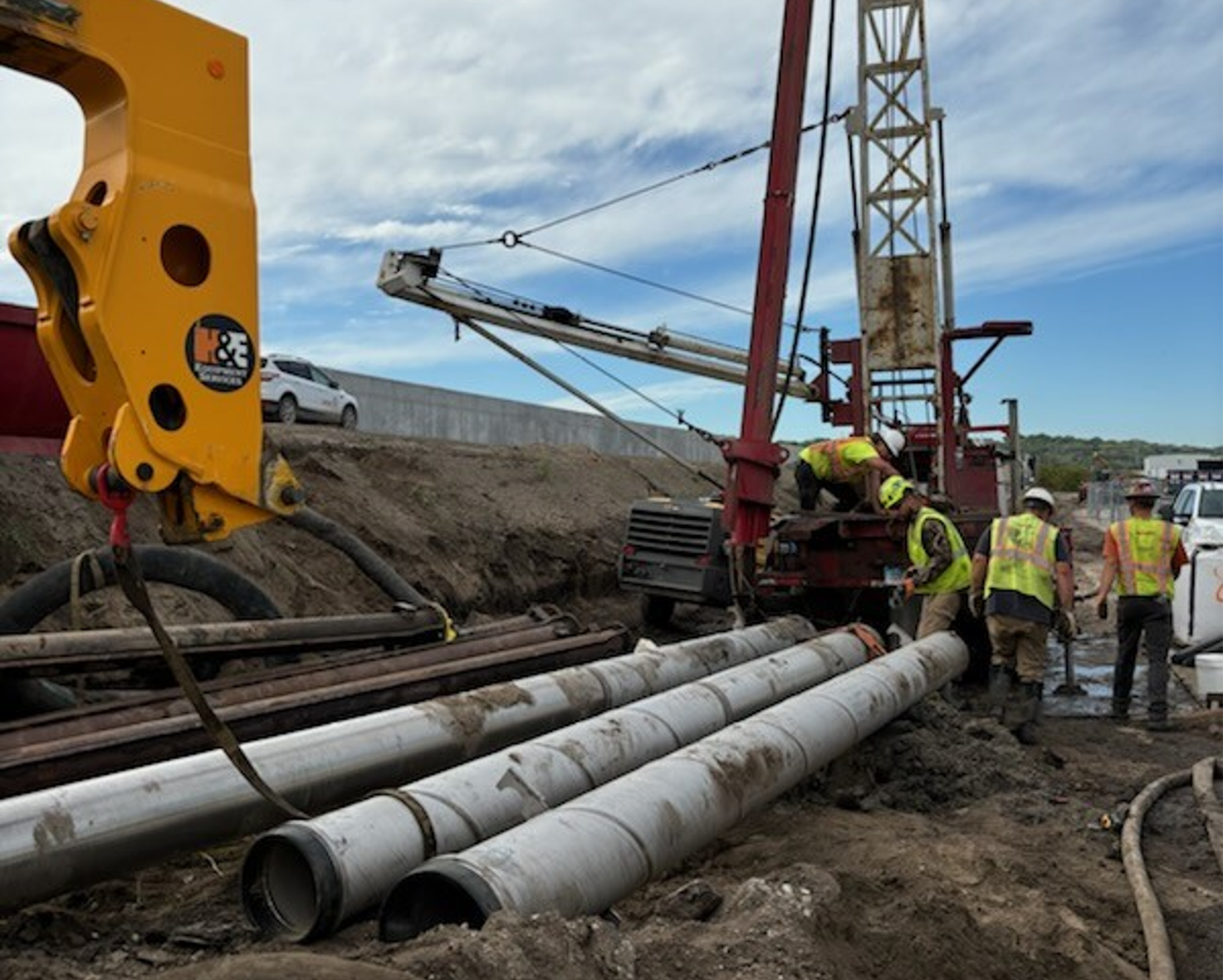
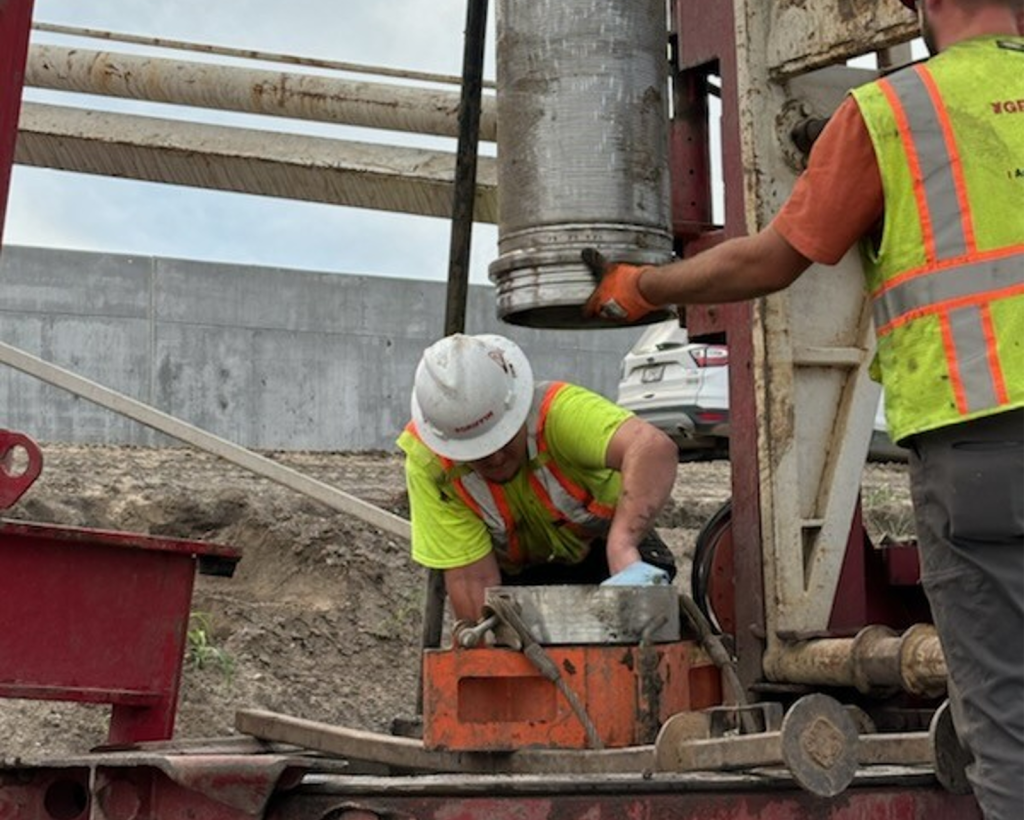
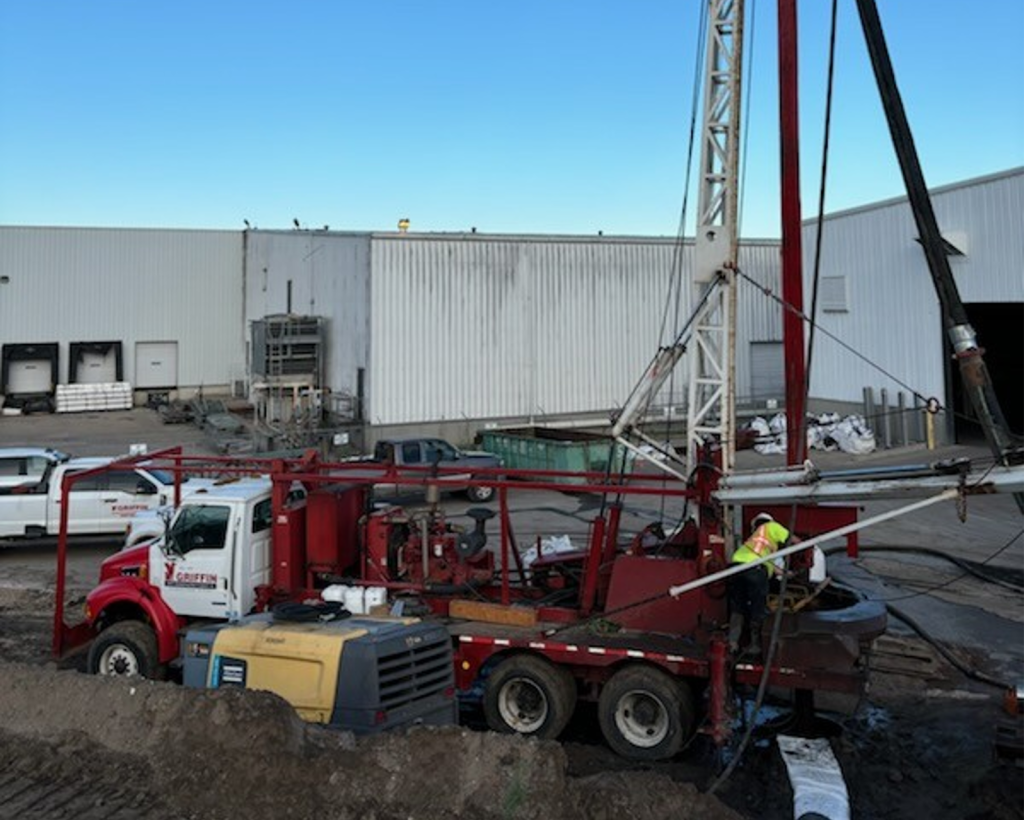
The wells, ranging from 60 to 100 feet deep, were constructed using reverse-rotary drilling methods with a 24-inch borehole diameter. A bucket-auger rig was first used to advance the top 20 feet and set a 34-inch steel surface casing. Within each borehole, a 12-inch stainless steel well was installed, consisting of varying lengths of wire-wrap screen and casing tailored to subsurface conditions. All well screens and casings were connected using spline-lock connections (by Roscoe Moss), which eliminated the need for time-consuming field welding or threading of large-diameter pipe.
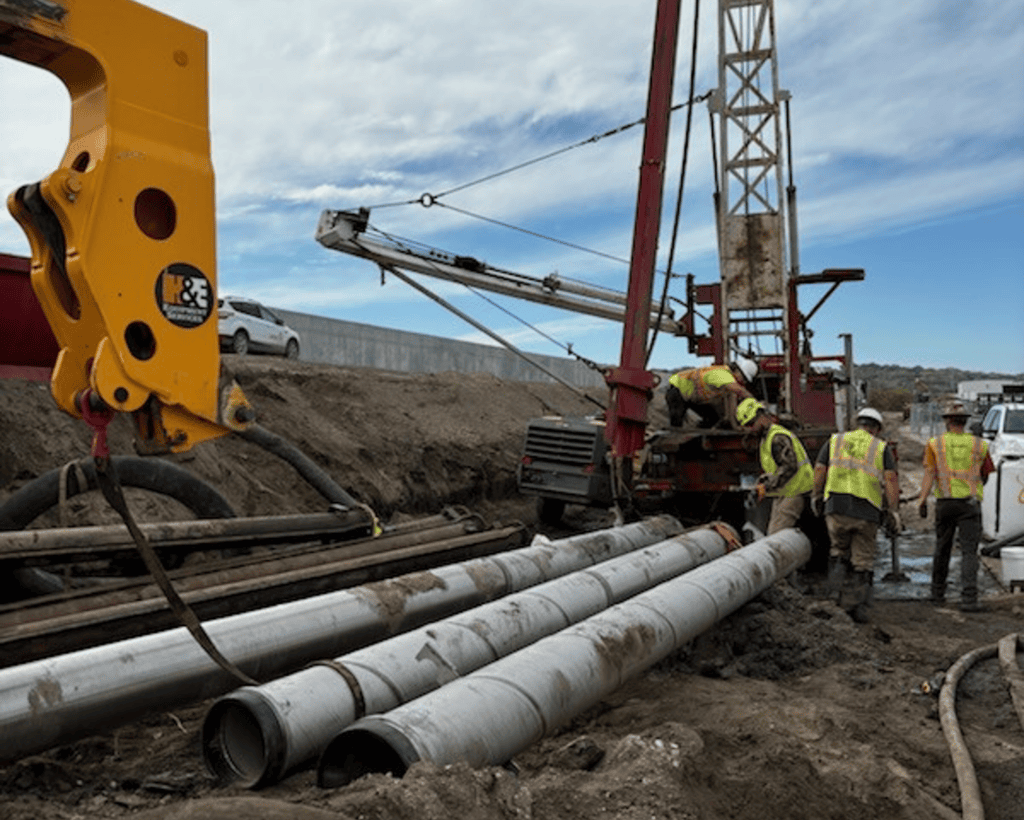
Following installation, each well underwent a plumbness and alignment test, after which filter material was placed using the tremie method. Development was carried out using a surge block and airlift device to maximise efficiency and ensure clean, high-performing wells. Final testing included multi-hour pumping to confirm capacity, grout placement above the filter pack, and a detailed downhole camera inspection for quality verification.
“This project highlights Griffin’s ability to innovate, adapt, and deliver on complex drilling projects under rigorous technical and schedule constraints.”
This project showcased advanced drilling techniques, rigorous quality control, and adaptability in construction methods to deliver a vital flood-protection infrastructure system for Kansas City.
The Griffin Difference
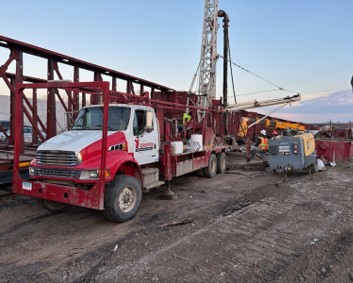
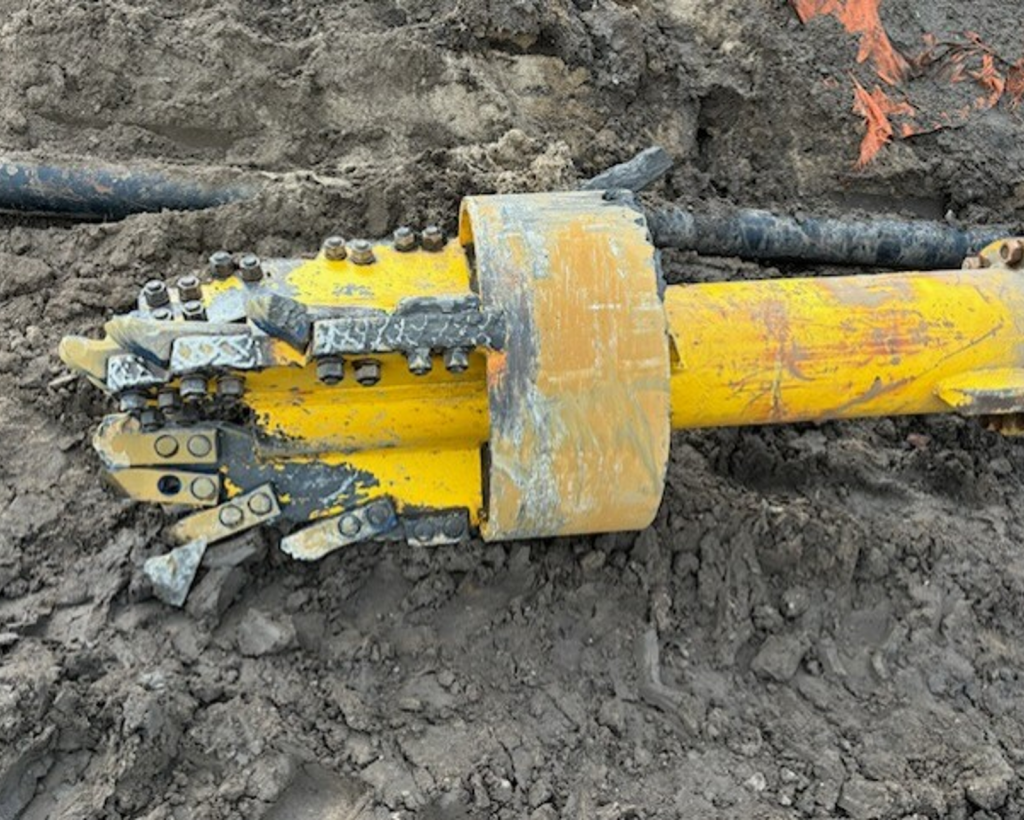
This project was unique for Griffin, demonstrating both our technical expertise and innovative problem-solving in the field of relief well drilling — completing our largest drilling project in recent history. To meet project demands, Griffin custom-built a reverse-rotary drill rig, modifying a Gus Pech bucket-auger base and equipping it with specially designed reverse-rotary tooling and a custom bit.
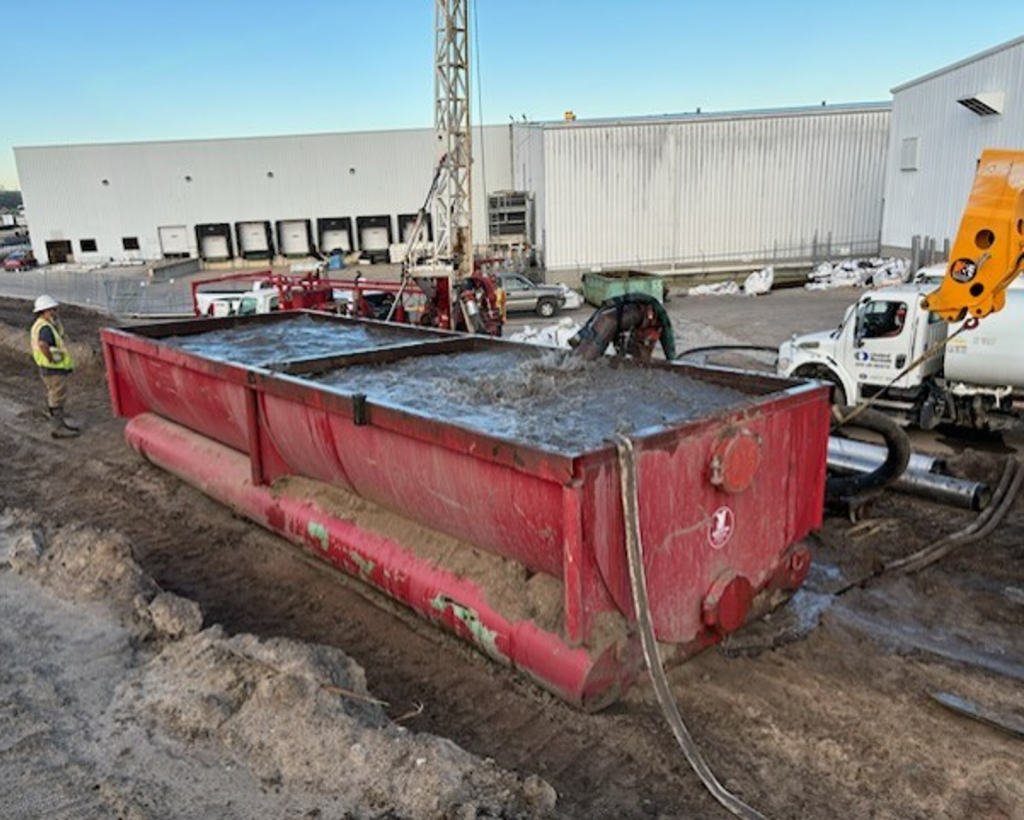
Griffin’s crews worked with precision to advance and complete each well to a safe stopping point within a single working day. Throughout the project, several unforeseen challenges arose that required real-time adjustments to either the drilling rig or the installation process. Leveraging their extensive experience, Griffin’s drilling team successfully overcame these challenges while consistently meeting the stringent technical requirements of the USACE and maintaining the overall contractor schedule.
To uphold the highest standards of performance and compliance, Griffin staffed the project with licensed well drillers, registered professional engineers, and geologists. This team implemented a comprehensive QA/QC programme, ensuring each well met or exceeded the specifications for safety, durability, and functionality.
About Griffin Fluid Management
Engineered to Solve. Delivered with Excellence. With decades of field-tested project management expertise, Griffin Fluid Management turns complexity into clarity and planning into performance.