Dewatering as an Environmental Asset – Hydroserv’s Sustainable Groundwater Solution in Qatar
Company: Hydroserv International
Country: Qatar
Location: Southern Al-Meshaf
How Hydroserv International transformed a large-scale infrastructure dewatering operation into an award-winning environmental initiative returning millions of cubic metres of groundwater to Qatar’s depleted aquifers.
In a country with no rivers, no lakes, and no permanent streams, every drop of groundwater matters. Qatar relies entirely on groundwater extraction and desalination for its water supply and in an arid climate where annual rainfall averages less than 80 mm, natural aquifer recharge is an extremely slow process. Against this backdrop, even the water generated by routine infrastructure dewatering carries real environmental and strategic significance.
Hydroserv International recognised this and turned a necessary construction dewatering operation into something remarkable. Their work on the Roads & Infrastructure Project in Southern Al-Meshaf, Qatar (Packages 04 & 07) has earned them the TDI Sustainability Excellence Company of the Year Award 2025, a fitting recognition for an approach that is as innovative as it is impactful.
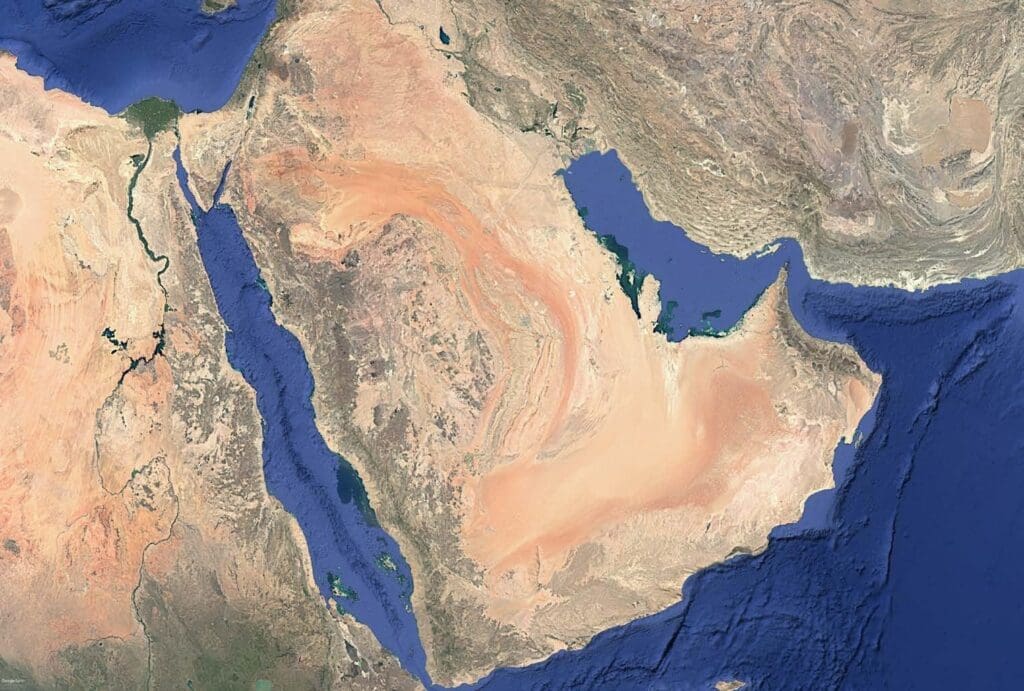
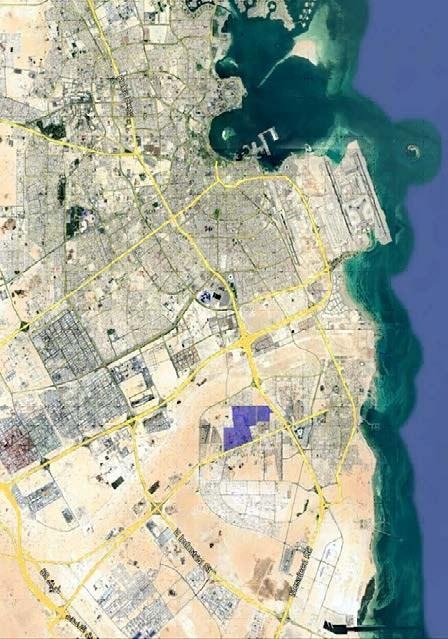
Above: Figure 1 — Project location in the Southern Region of Qatar, approximately 10 km south of Doha
The Project: Roads, Infrastructure, and a Water Challenge
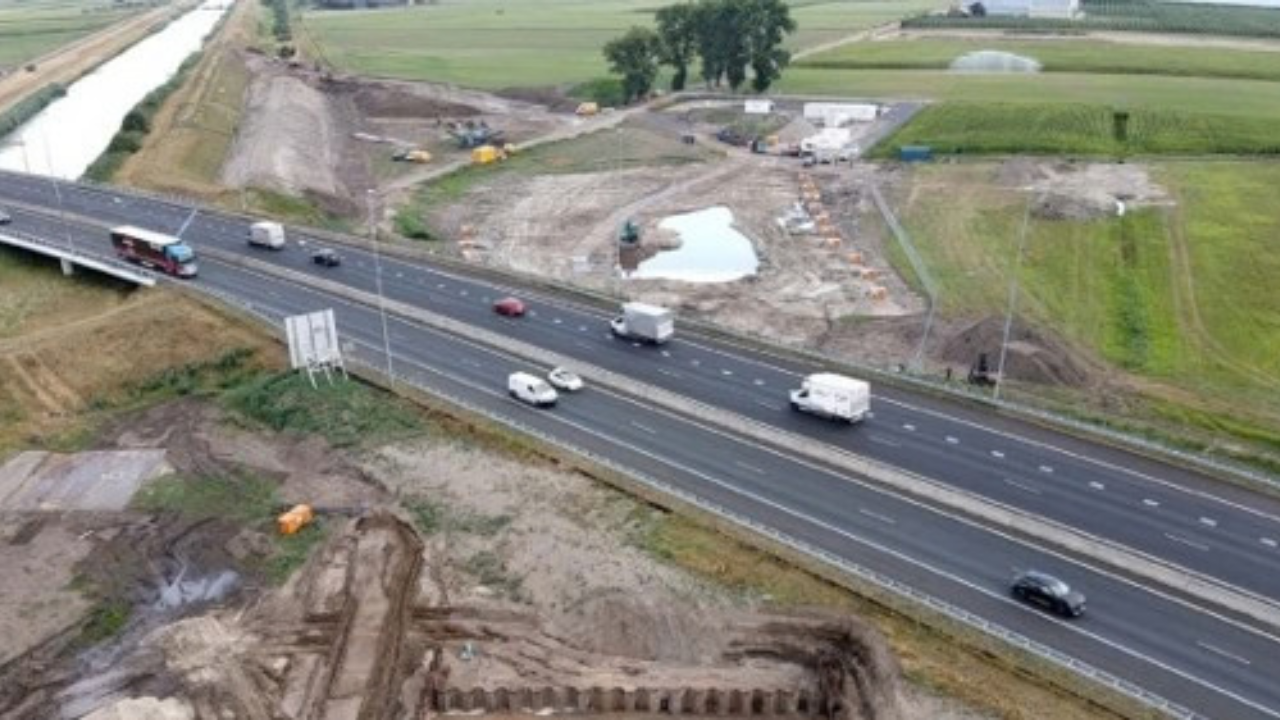
The Al-Meshaf project covers two packages (04 and 07) in the southern region of Qatar, situated roughly 10 km south of Doha in the Al Wukair area. The combined project site spans approximately 15,000 m², encompassing a network of shafts, trenches, and deep manholes constructed for major road and infrastructure works commissioned by the Public Works Authority.
The scale of the dewatering requirement was significant. With groundwater levels at 3.0–3.5 m below ground level and excavations reaching depths of up to 10 metres, actual discharge flow rates reached 200–240 litres per second across both packages. Approved discharge to sea was granted and an initial marine discharge solution was designed and installed accordingly.
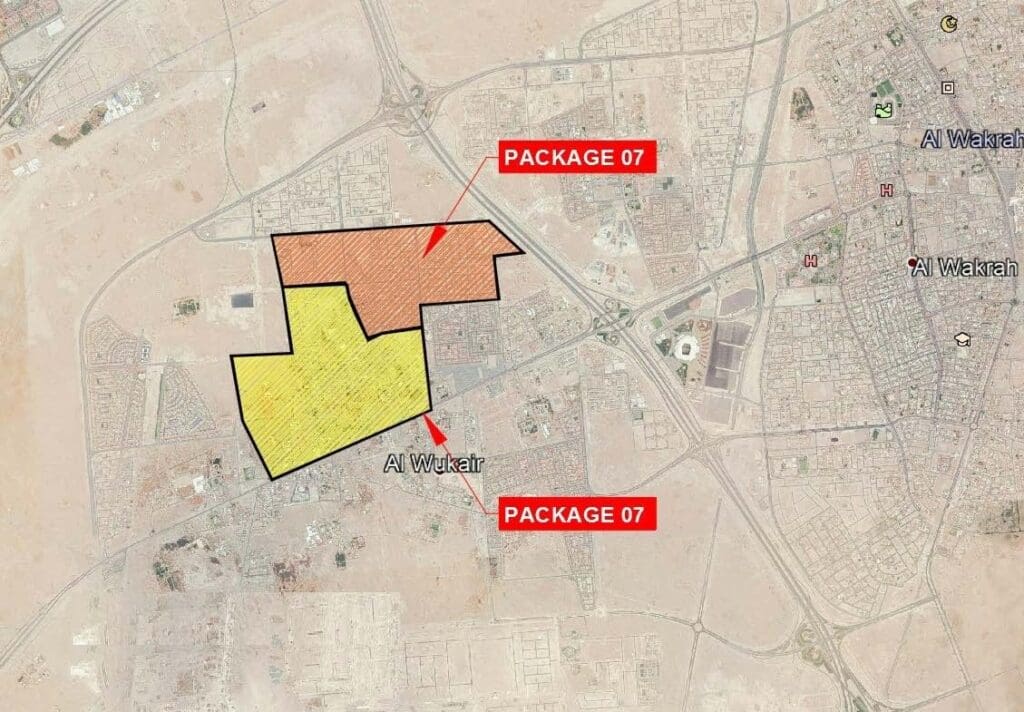
Above: Figure 2 — Google map representation of the project site at Al-Meshaf, showing Package 04 and Package 07 extents
Managing Turbidity: The Sedimentation Lagoon
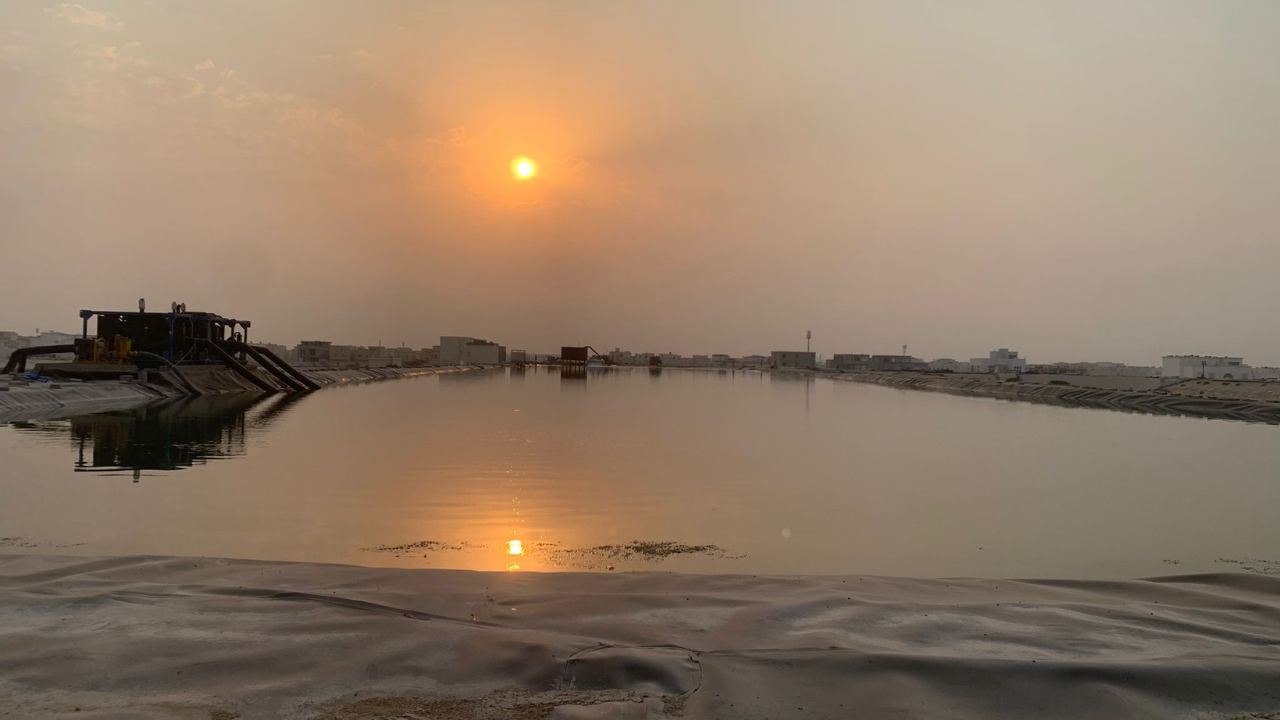
Once tunnel boring machine (TBM) operations commenced inside the shafts, the turbidity of the discharged groundwater increased significantly. To manage this, Hydroserv International designed and constructed an intermediate sedimentation lagoon with dimensions of 250 m × 150 m × 3 m — a purpose-built holding and settling basin to enable suspended solids to settle before final discharge.
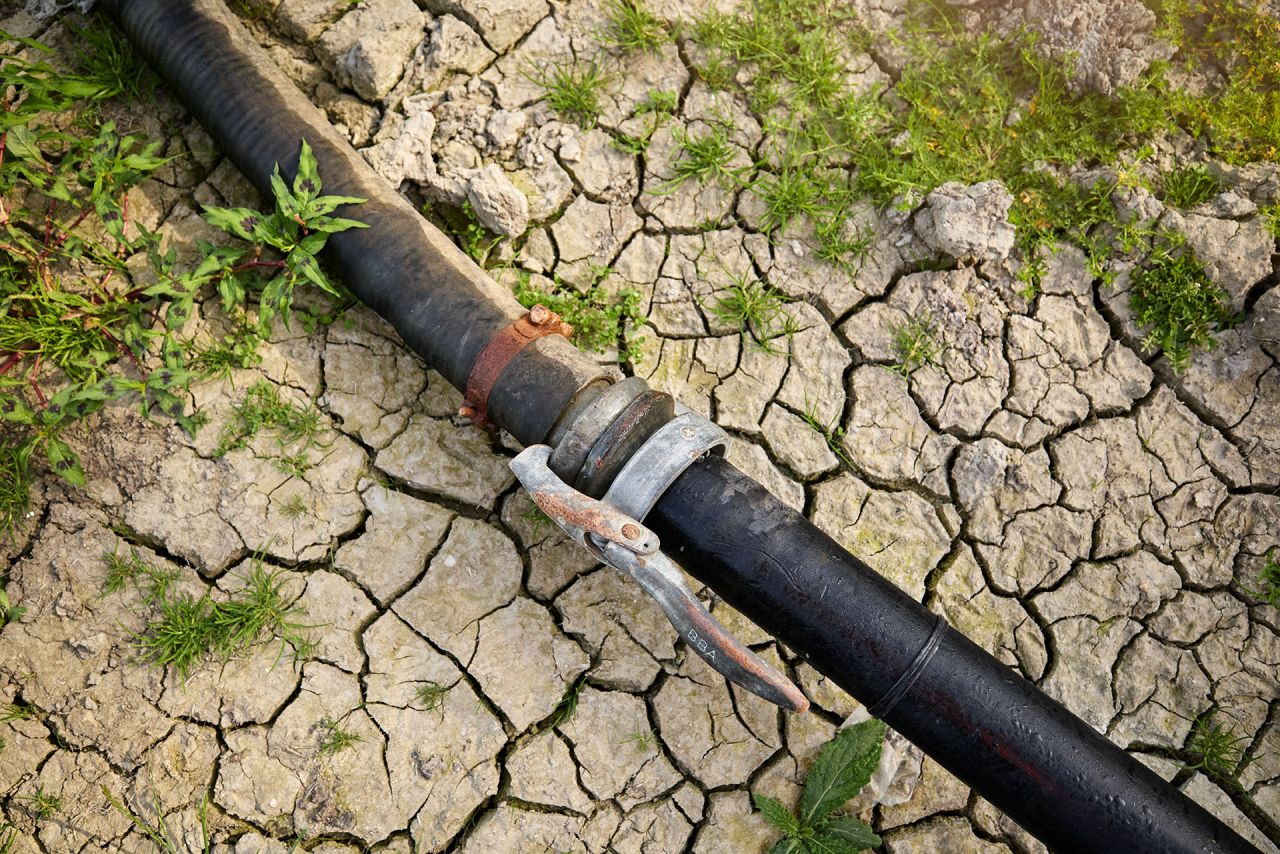
The settled water was then transferred via 14 km of HDPE discharge pipeline — combining 500 mm and 630 mm diameter pipes — powered by booster stations equipped with 12-inch pumps, for approved discharge to the sea (see Figure 5).
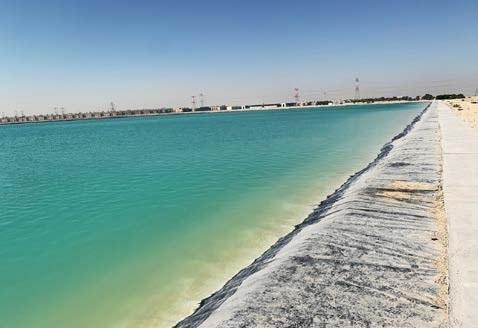
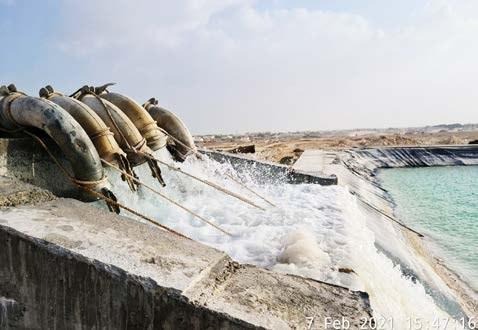
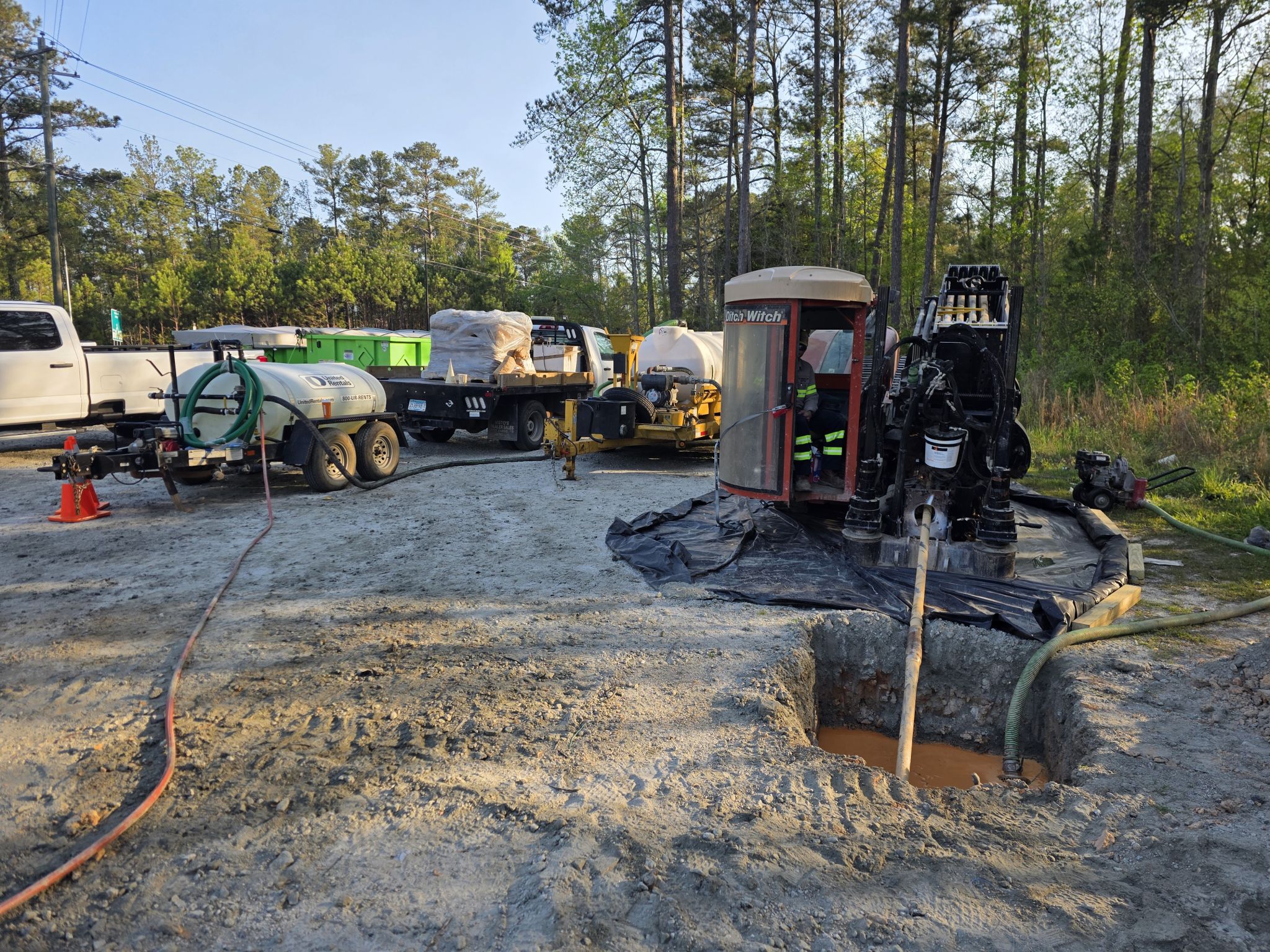
Above Left: Figure 3 — Discharge to the sedimentation lagoon. Middle: Figure 4 — The sedimentation lagoon in operation. Right: Figure 5 — Over-pumping from the lagoon
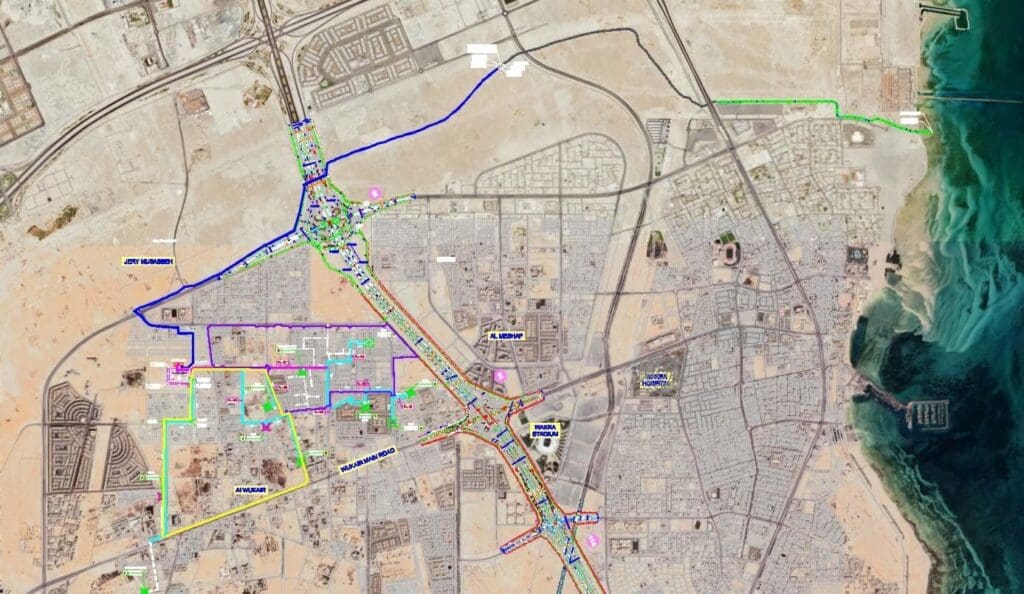
Above: Figure 6 — As-built discharge pipeline layout showing the 14 km HDPE pipeline route and booster stations, discharging to the sea
“Instead of releasing treated groundwater into the sensitive coastal ecosystem, Hydroserv International developed an innovative deep-injection discharge strategy returning nearly 20,000 cubic metres of water per day back into Qatar’s subsurface aquifer.”
A Better Way: The Alternative Discharge Strategy
During project execution, authorities consistently expressed a preference for an alternative to marine discharge, one that would avoid releasing treated groundwater into Qatar’s sensitive coastal ecosystem. Hydroserv International not only responded to this challenge but recognised that a smarter discharge solution could also deliver significant operational and cost savings.
The initial marine discharge system required large volumes of diesel to run the 12-inch booster pumps, as well as ongoing land lease costs, road-opening permits, and crossing permit renewals for the 14 km pipeline infrastructure. Modifying the approach could eliminate all of these recurring costs while simultaneously delivering a better environmental outcome.
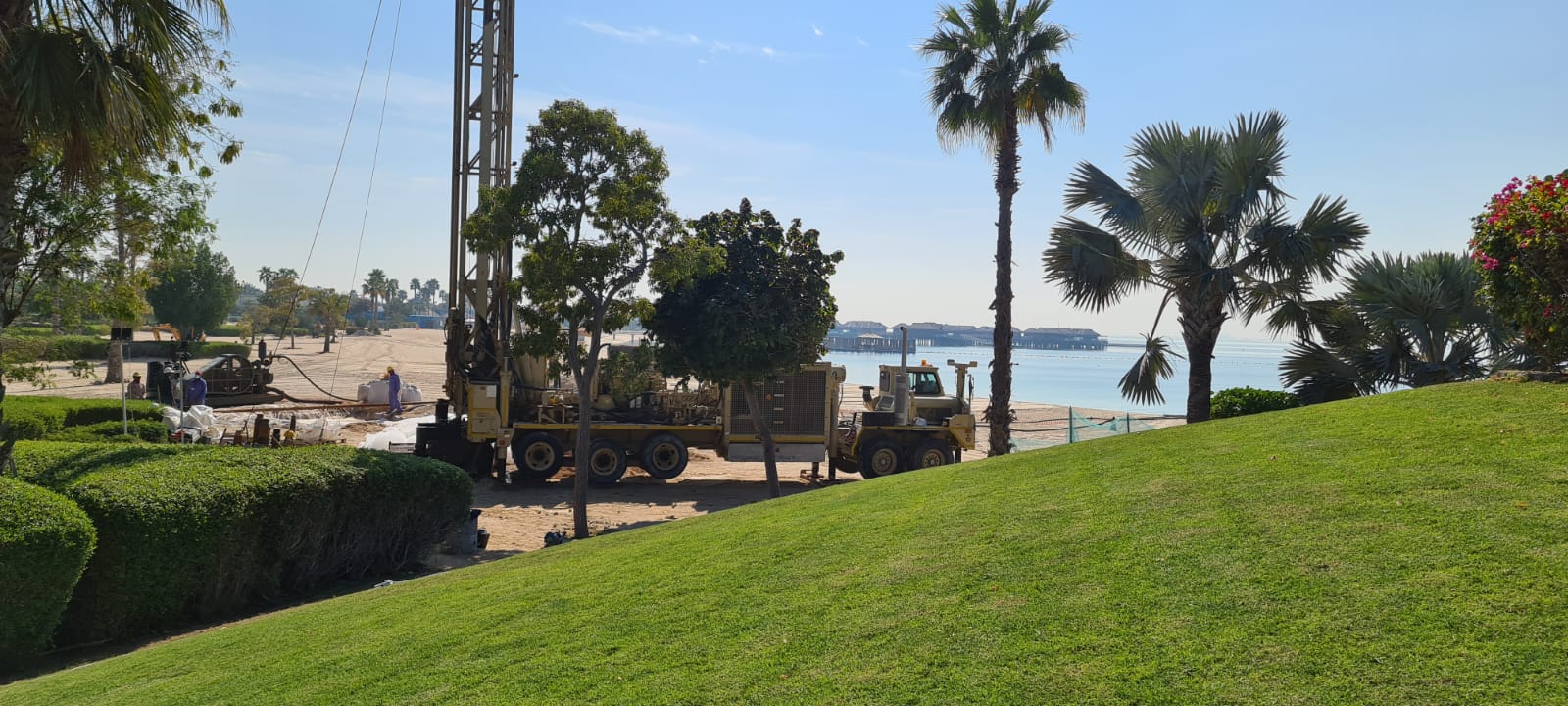
Hydroserv International developed and implemented a revised discharge strategy centred on two deep injection wells, each drilled to approximately 400 metres depth. Rather than pumping treated groundwater to the sea, the settled water from the sedimentation lagoon was transferred via an over-pumping system directly into the deep subsurface aquifer, safely, efficiently, and sustainably.
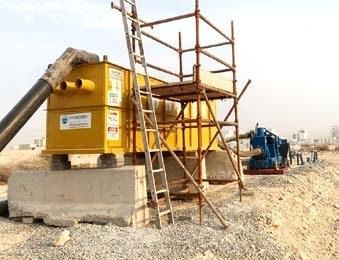
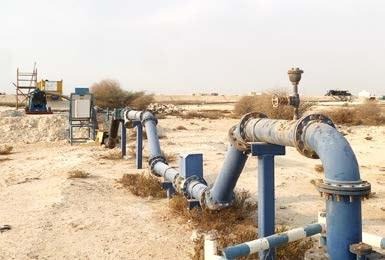
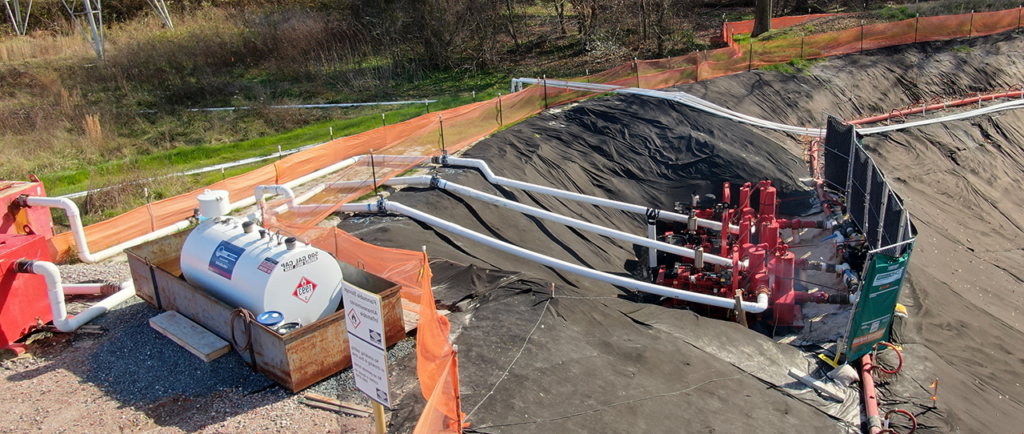
Above: Deep Injection Well 1 — discharge setup in operation. Deep Injection Well 2 — discharge setup in operation.
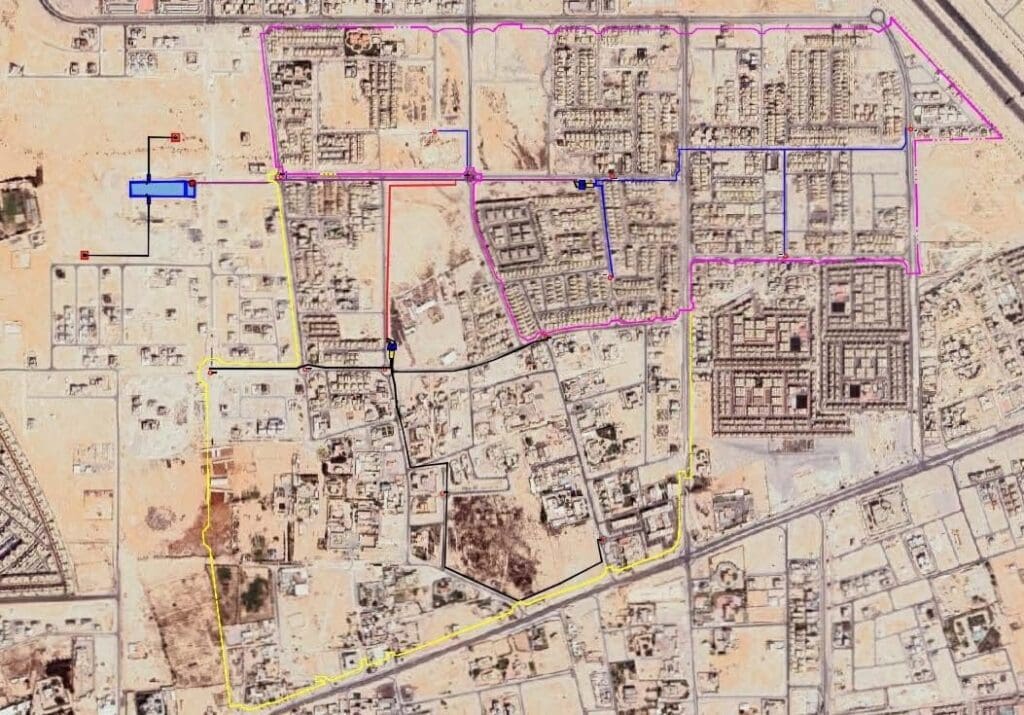
Above: Figure 7 — Current discharge pipeline layout showing the revised system discharging to deep injection wells
Real-Time Monitoring & Regulatory Accountability
Hydroserv International continuously monitored flow rates and water quality in real time, supported by a SCADA system with a Remote Terminal Unit (RTU). Regular water sampling and laboratory testing ensure full compliance with required standards, and all data are formally documented and reported to the Public Works Authority for complete regulatory transparency and accountability.
The Numbers: A Measurable Impact
The results of the revised approach speak for themselves. Each deep injection well reinjects approximately 110–120 litres per second, for a combined total of 220–240 litres per second. Over the course of a year, this equates to more than 7 million cubic metres of groundwater returned to Qatar’s subsurface aquifer a meaningful contribution to national water security.
7 million m³ — Groundwater returned to aquifer annually
580,000 litres — Diesel saved per year
1,554 tonnes CO₂ — Emissions prevented annually
338 cars — Equivalent carbon saving per year
Operational & Environmental Benefits
The switch to deep injection wells has delivered a cascade of operational and environmental benefits:
Operational Benefits
- Diesel & Emissions Savings: The original booster stations consumed approximately 65 litres of diesel per hour. Eliminating them saves around 580,000 litres of diesel annually and prevents an estimated 1,554 metric tonnes of CO₂ emissions per year – equivalent to removing approximately 338 passenger cars from the road.
- Cost Savings: Eliminates all recurring fuel, maintenance, land-lease, and permit renewal costs associated with the 14 km HDPE pipeline and booster station infrastructure.
- Operational Simplicity: Reduces system complexity and improves reliability, with significantly reduced downtime compared to managing an extensive pumping and pipeline network.
Environmental Benefits
- Marine Protection: Prevents direct discharge into sensitive coastal ecosystems, reducing potential harm to marine biodiversity.
- Groundwater Sustainability: Replenishes Qatar’s aquifers with more than 7 million m³ annually, supporting a circular approach to water management.
- Proven Method: Deep-well injection is internationally recognised, including by the US Environmental Protection Agency (EPA), as a safe and effective practice for both disposal and aquifer recharge.
- Regulatory Compliance: Fully meets standards for water quality and discharge management, ensuring long-term environmental safety and accountability.
Conclusion: Dewatering as an Environmental Asset
The Al-Meshaf project demonstrates that dewatering, often viewed purely as a practical necessity of construction, can be reimagined as an active contribution to environmental sustainability. By replacing marine discharge with deep aquifer reinjection, Hydroserv International has conserved a nationally critical resource, eliminated significant carbon emissions, reduced operational costs, and protected a sensitive coastal ecosystem. In a country where every cubic metre of groundwater carries extraordinary value, this is a project that goes far beyond engineering excellence. It is a statement of what responsible infrastructure development looks like and a model for the global dewatering industry to follow.