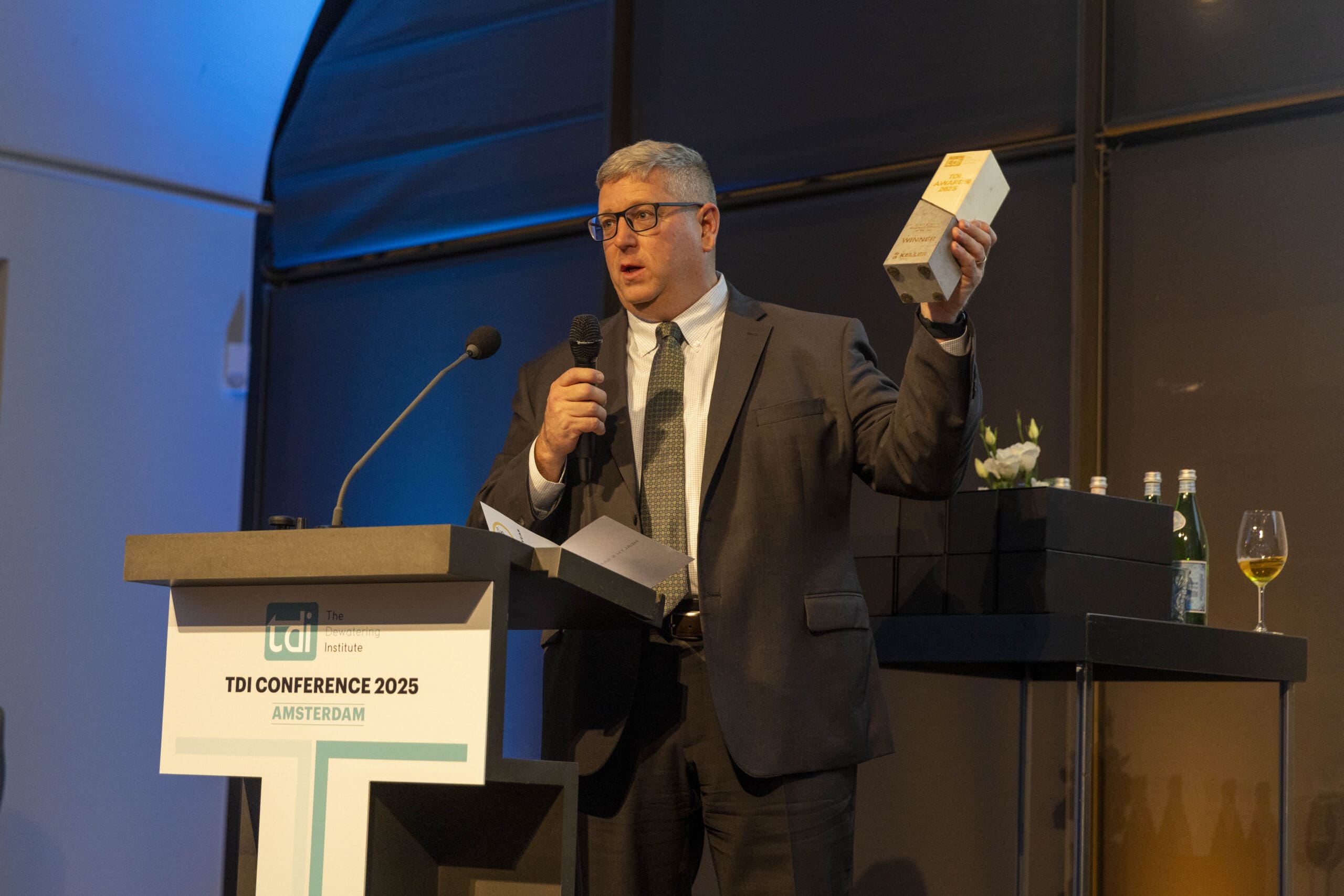
As part of The Dewatering Institute‘s commitment towards knowledge sharing, TDI is developing a series of monthly interviews of industry leaders and professionals from different parts of the world.
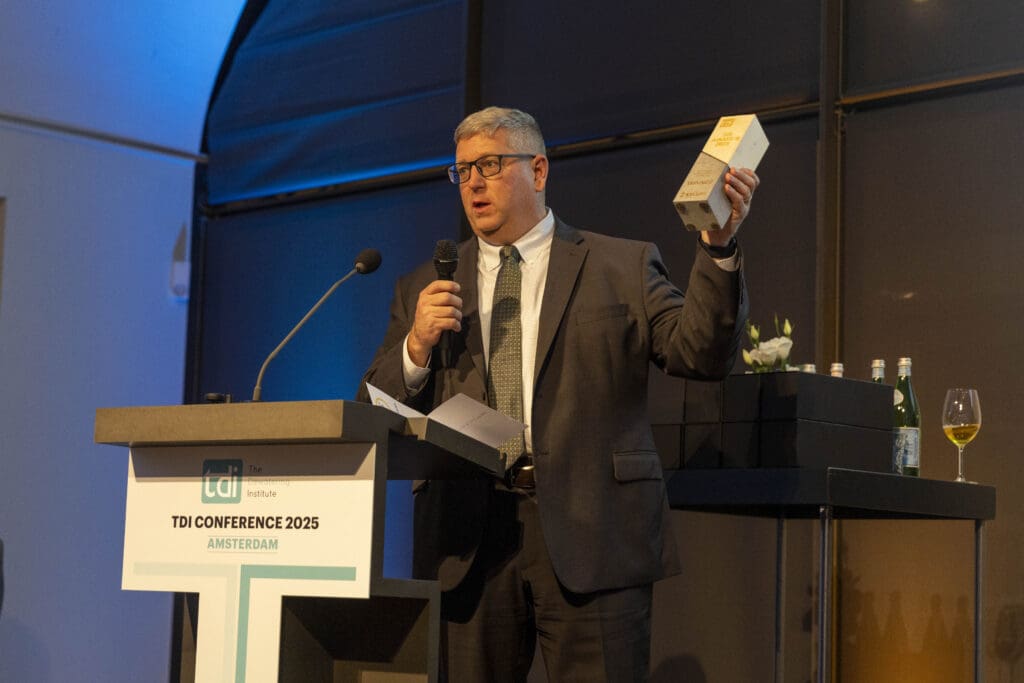
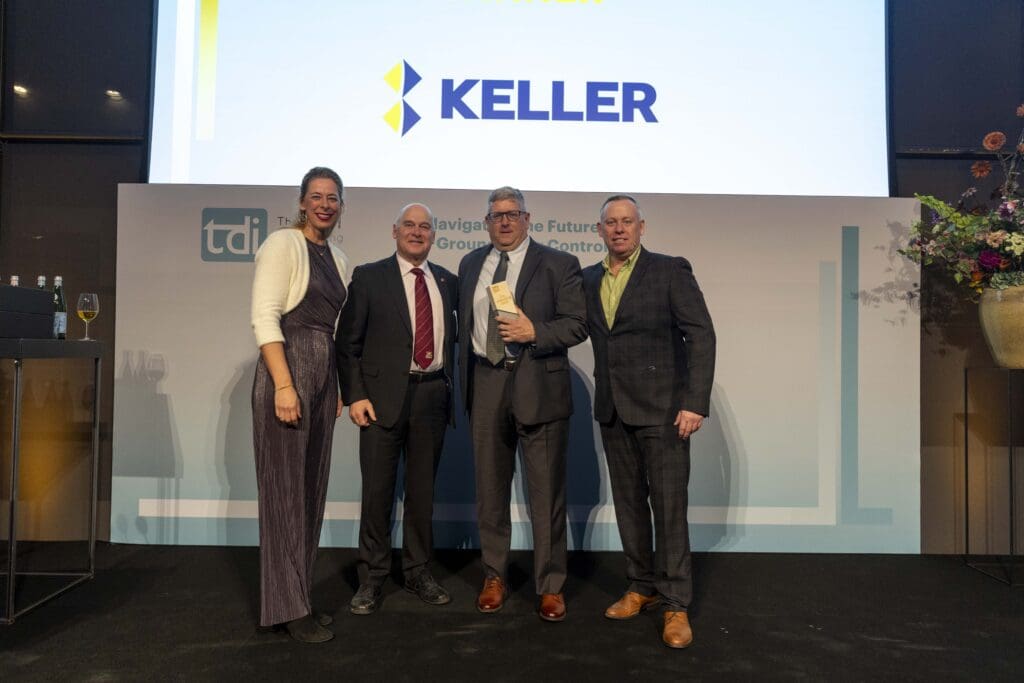
This month’s edition feature newly appointed TDI Advisory Council Member Greg Ziegler, Vice President at Keller North America, USA.
With over 25 years of geotechnical contracting experience, Greg oversees Keller’s dewatering, water treatment and groundfreezing operations across North America.
He has extensive experience in ground freezing, construction dewatering using deep wells, wellpoints and ejector systems for dam remediation and structural applications; groundwater and potable water treatment plant installation; landfill gas well system installations; and slurry trenching.
Can you tell us more about your work history and how you got into the dewatering industry?
After my military service, I accepted a position as a project engineer for Layne Christensen designing and building water treatment plants. I really enjoyed this because I utilized my engineering degree in both the design and construction phases of work. I moved on to accept a position with Moretrench American Corporation (Keller) which allowed me to grow the skills I learned at Layne and utilize them with a focus on dewatering and water treatment.
What are your favourite projects that you’ve worked on in your career?
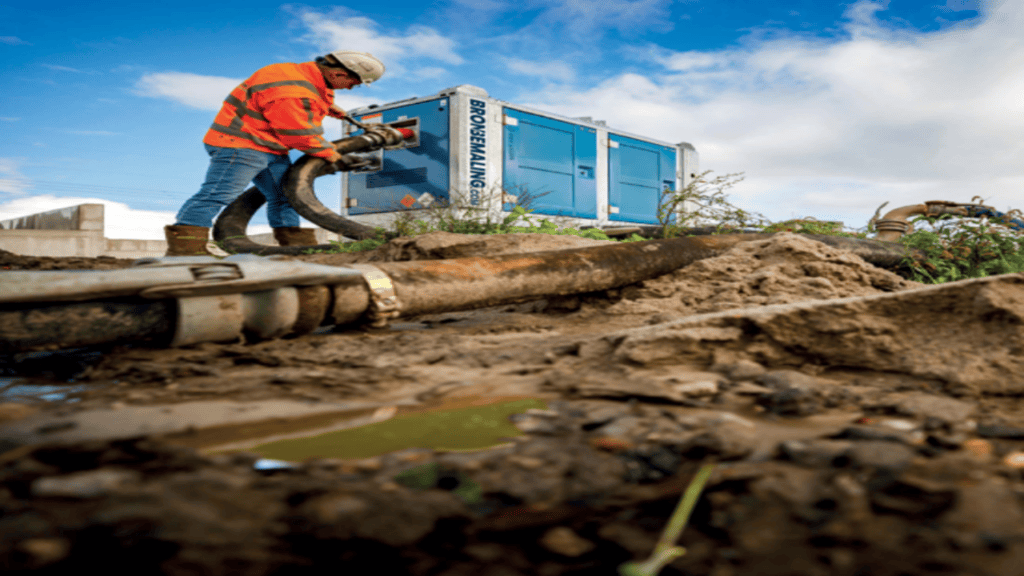
One of my favorite dewatering projects was for the construction of a new spillway in Tennessee near the Mississippi River. We installed a 20 deep well dewatering system and pumped over 22,000 gallons a minute to dewatering the excavation. I really liked this project because we were dealing with large submersible pumps and significant discharge volume. Big Water!
What are some of the biggest challenges you’ve seen in the industry?
For us, one challenge is engaging and keeping younger people in the industry. One of the struggles is finding the next generation of people that would like to travel and be on project sites. We really encourage our younger professional to spend as much time as possible on projects in their early careers to really learn the dewatering craft and understand the challenges our field crews must overcome.
How have you seen the industry develop over the past decades?
There seems to be a fair number of technologies that eliminate or reduce the need for dewatering. Support of excavation methods that cut off water are increasingly prevalent and being considered by owners. Additionally, we see significant regulations that effect or eliminate the ability to install dewatering systems due to discharge limits, contamination in the groundwater, etc.
How do you see technology playing a part in the industry in the future?
I think that technology is really advancing in terms of data collection, analysis, and interpretation. Data collection is much simpler now with some of the advanced systems that are in place on project sites offering real time data collection.
Why would you recommend younger generations a career in the dewatering industry?
I would recommend the dewatering industry to a younger person because I think dewatering is inherently challenging. Dewatering systems are 24/7. They require attention and adjustments that keep you constantly thinking about what is going on in the ground.
What aspects of the industry do you think need improving?
I think we need to improve the image of dewatering with owners and engineers. Too often, we hear comments about “dewatering will lead to settlement.” We need to really focus on proper design, quality control of the wells/wellpoints we install, and good solid operation/maintenance and data collection to represent ourselves as a high standards profession.
Why do you think TDI is important for the industry, and how can it help the industry develop?
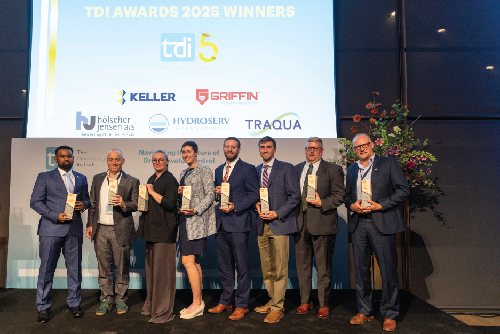
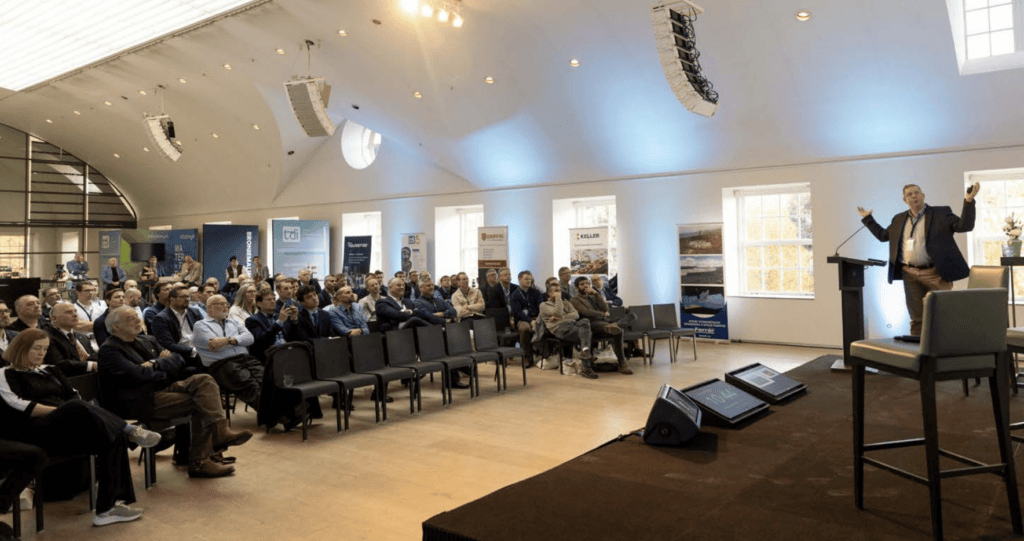
TDI is great organization for professional to share experience, contacts, ideas, etc. I think firms that involved with TDI are the top tier contractors, engineers and consultants from around the world. This network is really great to establish a level of professionalism/standards/practices that the top companies want to strive towards. The 2025 Amsterdam conference truly reinforced that this institutes members are among the best in their field.
What was the greatest encouragement someone gave you regarding business?
I was always told that you learn the most from the hardest and most challenging projects. So even in times when it seems like there is no solution to a problem, and the finish line appears impossible, you need to stick with it. Pull in all the resources you have available, develop a plan as a team and go out and execute to the best of your ability. Teams solve problems.
What is your life motto?
Treat others how you would like to be treated.