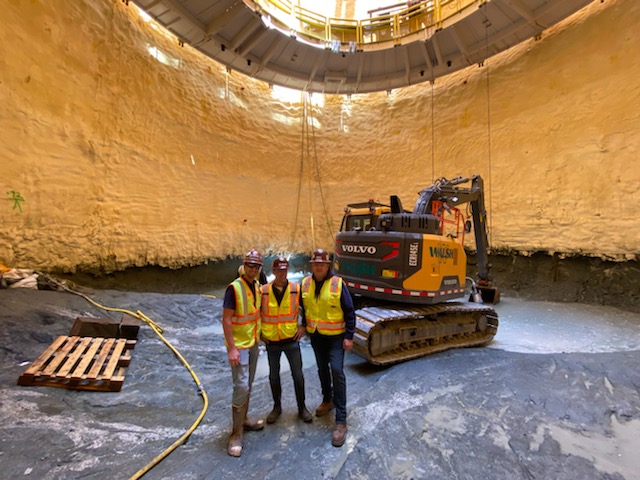
The Dewatering Institute (TDI) proudly spotlights outstanding professionals in the dewatering and groundwater engineering field through its monthly interview series. This edition features Andrew Chegwidden, a Project Manager with Keller’s Groundwater Control Division, North America.
About Andrew Chegwidden
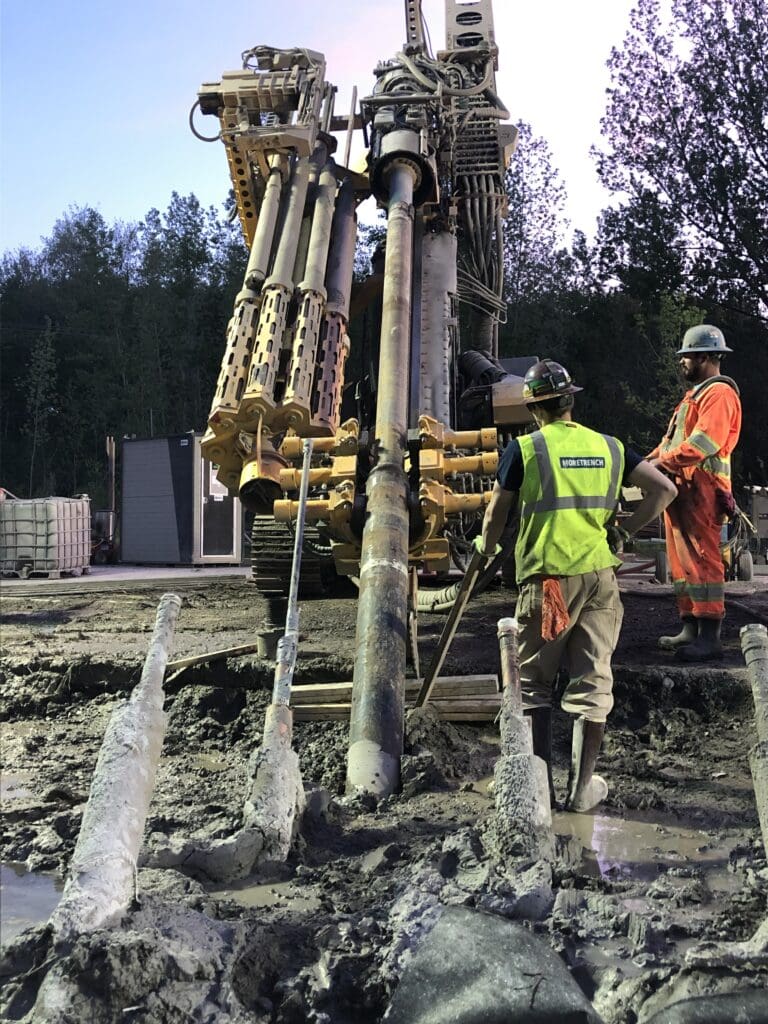
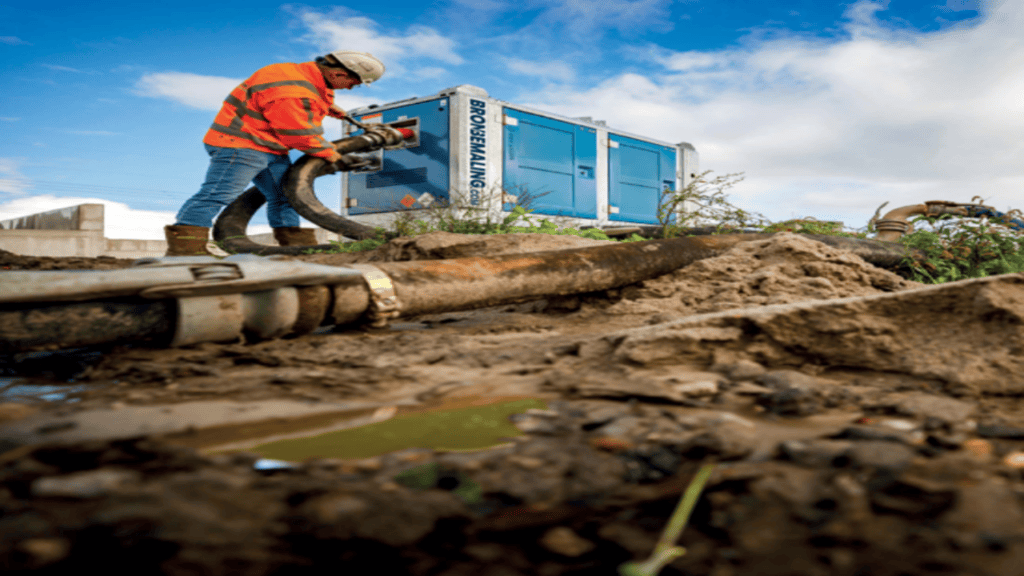
In his role, Andrew is responsible for project supervision and management, proposal development, design input, cost estimating and budget oversight, project implementation, scheduling, and QA/QC for both new construction and remedial projects. He brings experience across a wide range of specialty geotechnical construction techniques, including ground freezing for groundwater control, temporary support of excavations, as well as construction dewatering using wellpoint and deep well systems. In addition to groundwater control, his expertise extends to compaction grouting, conventional earth retention, excavation support, tiebacks, and deep foundation projects.
Interview
What stage are you at in your career right now?
At this stage of my career, I am approaching my 10-year anniversary working with Keller (previously Moretrench). As a Project Manager, most of my time is spent working with project teams to ensure our work is executed in a safe, professional manner.
Our goal as a team is to deliver an effective groundwater control system on time and on budget, while upholding high-quality standards. On average, this involves managing three to five different project teams spread across different states and time zones, alongside our central engineering team. I still thoroughly enjoy the camaraderie amongst these groups and getting involved at a jobsite level to solve day-to-day issues with each team.
What led you to the dewatering field, and what motivated your choice?
I have heard many great stories over the years about what has led different people to the industry. My own path to the dewatering world is not quite as inspirational. At the time, I was simply seeking an internship before my final year of college when I stumbled upon the industry.
I was fortunate enough for Moretrench to offer me a position working under one of our Senior Engineers who was heavily involved in our ground freezing and dewatering designs. After one summer seeing the capability and applications of these technologies, I knew it was something I wanted to pursue as a career.
Have any projects been instrumental in launching your career?
I have had the pleasure of working on quite a few unique projects that have each imparted new experiences, but I cannot credit one in particular for launching my career. The complex, multifaceted projects have certainly fuelled my professional growth, both in terms of technical knowledge and soft skills such as client communication.
What do you predict will be the most significant challenges for the industry in the future?
The most significant challenges I see facing the future of the industry are finding enough talented and qualified personnel to replace the current generation of professionals approaching retirement age, especially those working in the field.
I think it highlights the importance of steady investment in training to develop younger employees today. Drilling and well construction is an inherently demanding industry — it is important we equip people with the proper tools to set them up for success.
In what ways do you envision technology influencing the industry in the coming years?
I believe instrumentation and system automation will have a significant influence moving forward. Not only can this technology promote efficient system operation, but it will also allow for a higher volume of data collection, supporting the use of data-centric AI across the industry. However, it is imperative to focus on the quality of data rather than the quantity.
What elements of the industry do you believe require improving?
One area I think dewatering professionals could all continually improve on is being a good ambassador for the technology. When we are working on projects around the globe, the list of stakeholders impacted by our work is often much longer than we realise. It is important to comply with federal and local codes, highlight the benefits to surrounding communities, and promote successful projects in order to maintain a good reputation for the technologies we use.
Why do you think TDI is important for the industry, and how can it help the industry develop?
This is a good follow-on from the previous question.
I was fortunate enough to attend the first in-person conference in November 2025, which took place in Amsterdam. The programme provided quality industry insight, with dewatering professionals from across the globe sharing their professional experience.
“TDI is a great platform for industry partners to come together and promote successful dewatering projects and practices.”
Ultimately, who stands as your most enthusiastic advocate?
Aside from my wife, Bridget, the collective Keller Groundwater Control management team has been my strongest advocate. I have been afforded several great opportunities to attend industry conferences and professional development courses to help me grow. They have invested countless hours in sharing their knowledge with me and continue to push me to become a better professional.
What is your life motto?
“Be willing to try new things.”
It is easy to stay inside your comfort zone and only do what you are familiar with. Sometimes taking a small step to embrace a new idea, food, hobby, or frankly anything new will allow you to grow as a person and gain new perspectives.