Introduction
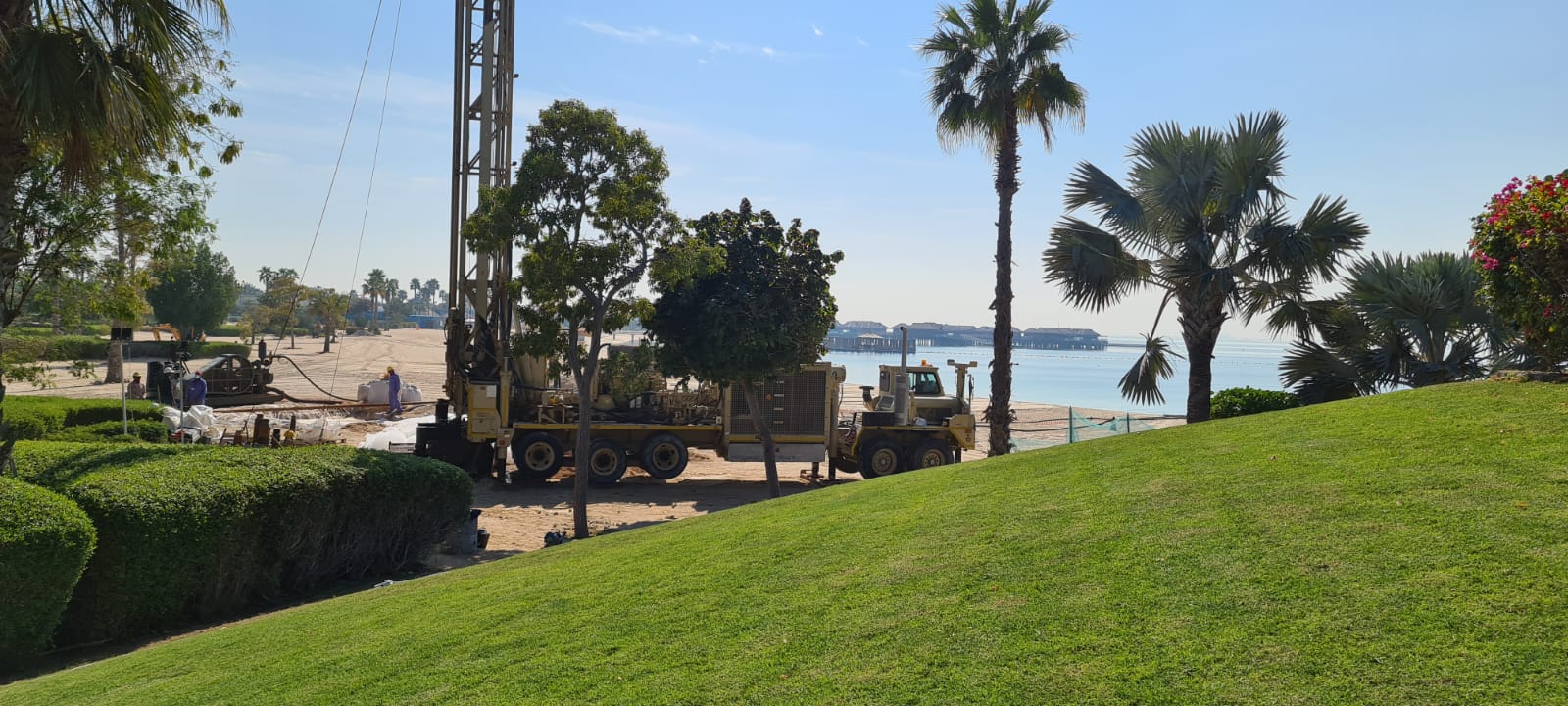
When most people hear “Wells Regulation,” they think of drinking-water wells. But Ontario’s R.R.O. 1990, Reg. 903 (Wells Regulation) applies much more broadly – including tagged wells that our industry installs on construction, investigation and remediation projects. If these wells are no longer needed, by law, they must be properly abandoned (plugged and sealed) to prevent them from becoming contamination conduits.
Is Reg. 903 still current?
Yes. As of today, Reg. 903 remains the governing regulation under the Ontario Water Resources Act for construction, maintenance and decommissioning of wells (including test holes, monitoring and dewatering wells). Ontario’s own technical bulletins and best-practice manuals from the Ontario Ministry of the Environment, Conservation and Parks (MECP) continue to reference Reg. 903 for when and how to abandon wells.
Why abandonment matters
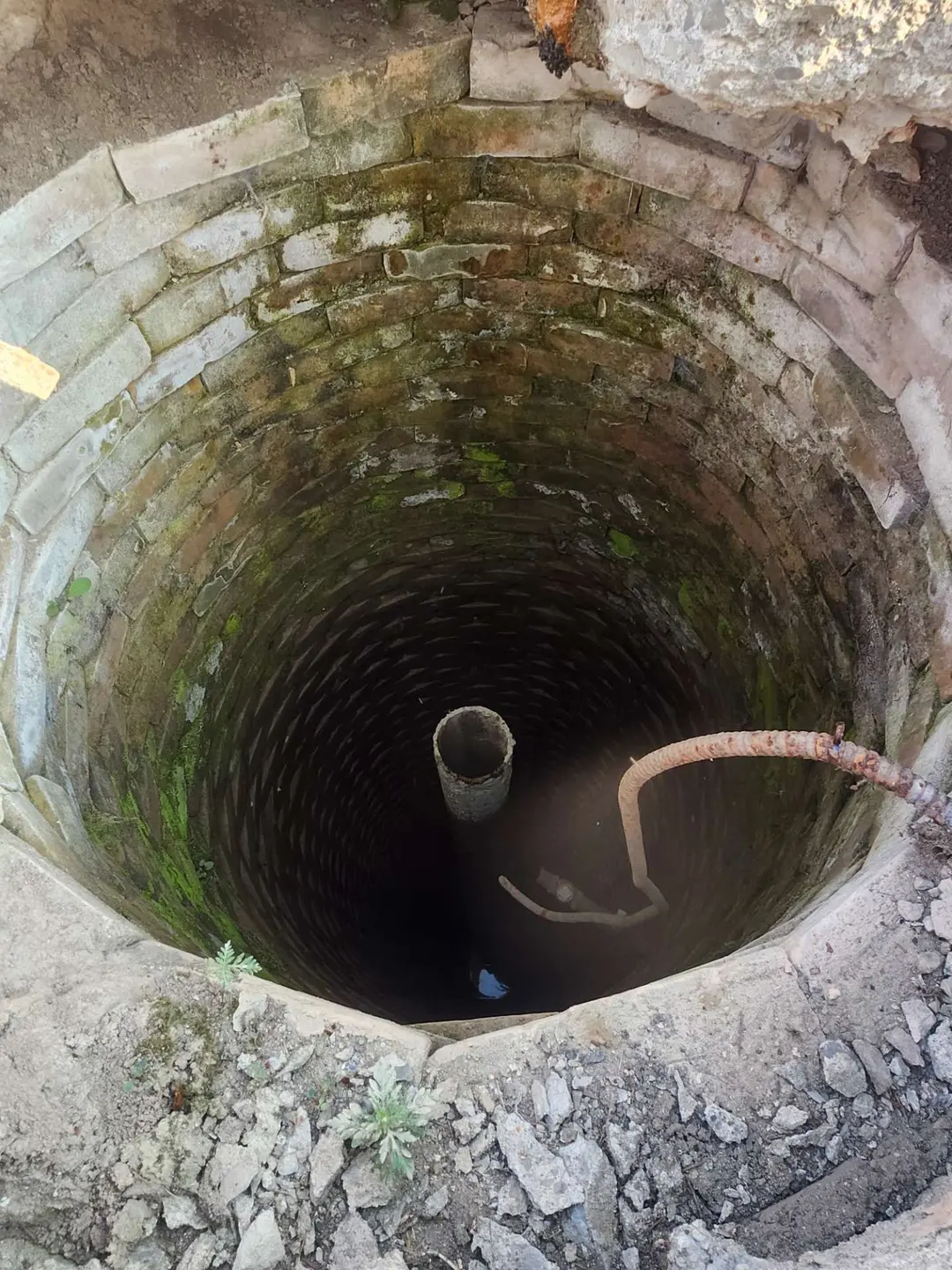
An unused, damaged, or forgotten well is a direct vertical pathway. It can:
- Bypass natural attenuation and protective soil layers, allowing surface bacteria, nutrients, salts, petroleum or other contaminants to move rapidly into aquifers.
- Cross-connect aquifers, spreading contaminants between zones.
- Create safety hazards (collapse, entrapment) and long-term liability for owners and developers.
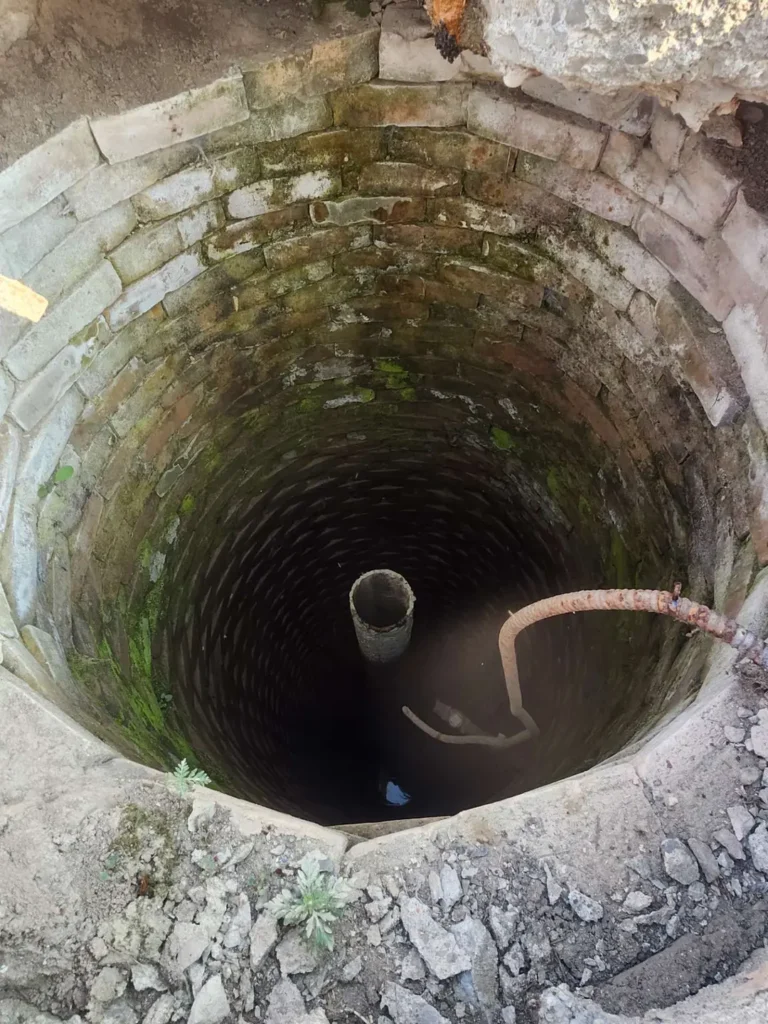
Across Ontario, conservation authorities and municipal source-protection programs actively encourage proper well decommissioning for exactly these reasons.
What the regulation expects in practice
1) Determine if the well must be abandoned.
MECP’s “When to Plug and Seal a Well” bulletin summarizes triggers (e.g., well is unused, in disrepair, can’t be maintained in sanitary condition, or is being replaced). For test holes/monitoring wells, the same logic applies once the well’s purpose is complete.
2) Use qualified people and the right materials.
Reg. 903 sets out licensing classes for well contractors/technicians and the approved methods/materials (bentonite, neat cement, grout) to plug from the bottom up and seal to surface (with specific details for casing removal, grout placement, and surface restoration). The “How to Plug and Seal” technical bulletins provide step-by-step methods for water-supply wells and for test holes/dewatering/monitoring wells.
There are different approaches depending on the diameter of the well (i.e., larger or smaller than 6.5 cm or 2.5”).
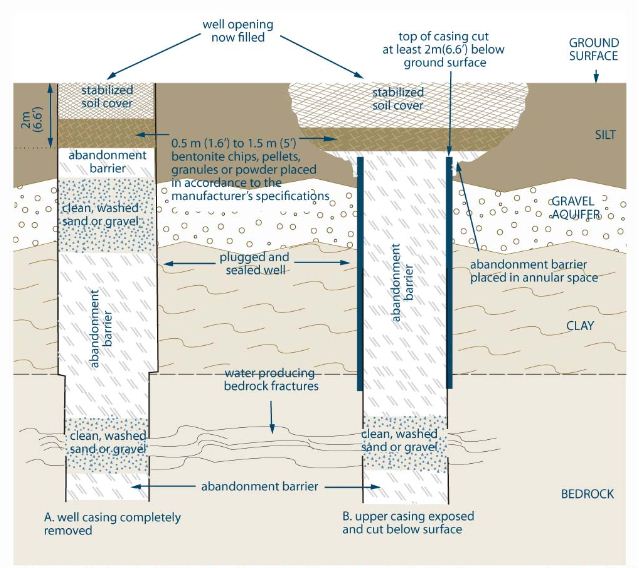
© King’s Printer for Ontario, 2016. Updated 2021. Reproduced with permission. Source: Ministry of the Environment, Conservation and Parks (MECP), ‘Wells Regulation – Well Abandonment: How to Plug and Seal a Well (technical bulletin)’, 2021
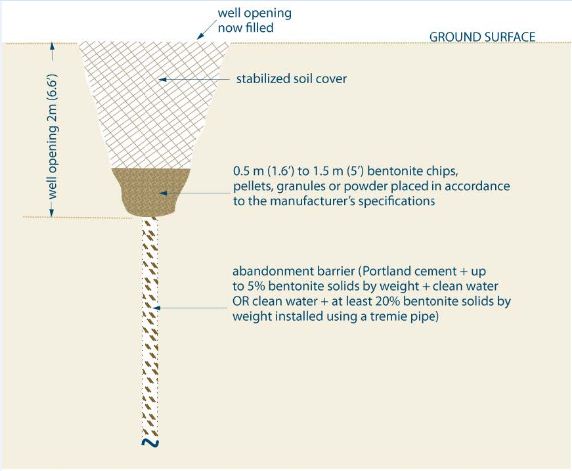
© King’s Printer for Ontario, 2016. Updated 2021. Reproduced with permission. Source: Ministry of the Environment, Conservation and Parks (MECP), ‘Wells Regulation – Well Abandonment: How to Plug and Seal a Well (technical bulletin)’, 2021.
3) Tagging, records, and reporting are not optional.
Wells in Ontario are tagged with a unique ID; tampering with tags is prohibited. When decommissioned, the Well Record must be completed and submitted to MECP and provided to the owner within required timelines. Maintaining accurate locations and details protects future site work and groundwater resources.
4) Development sites: Decommission prior to construction.
On redevelopment projects, monitoring wells are commonly decommissioned before earthworks begin, under a licensed well technician’s supervision, with records submitted to MECP. This avoids creating inadvertent pathways during grading/utility work.
5) RSC (Brownfields) interface.
On Records of Site Condition projects, test holes/monitoring wells are often subject to both Reg. 903 and O. Reg. 153/04 requirements – so align your abandonment plan and documentation with the RSC schedule and your Qualified Person’s sign-off.
Did you know?
Ontario’s well records form a public database – your decommissioning record (with tag, location, and method) becomes part of the province’s long-term hydrogeologic memory for the site and neighbourhood.
Did you know?
A single unsealed monitoring well can short-circuit protective clays/silts and spread contaminants between aquifers – undoing years of remediation progress in weeks. That’s why plug-and-seal methods emphasize full-column grouting and proper surface seals.
Practical tips for project teams
- Inventory and plan early. Keep a live register of all tagged wells on the site (IDs, depths, screens, construction logs). Decide which wells will be retained for performance monitoring and which will be abandoned – before mobilization.
- Match grout to geology. Choose bentonite/cement blends suited to the lithology and chemistry (e.g., salinity, organic content) and verify placement from the bottom up with tremie methods to avoid voids.
- Don’t forget the surface. Proper surface seals and grading prevent ponding and surface inflow; remove or rip out casing where specified in the bulletin.
- Close the loop with records. Use the MECP Well Record – Reg. 903 form for abandonment, submit electronically, and attach it to your project close-out package and as-builts.
VEI’s role
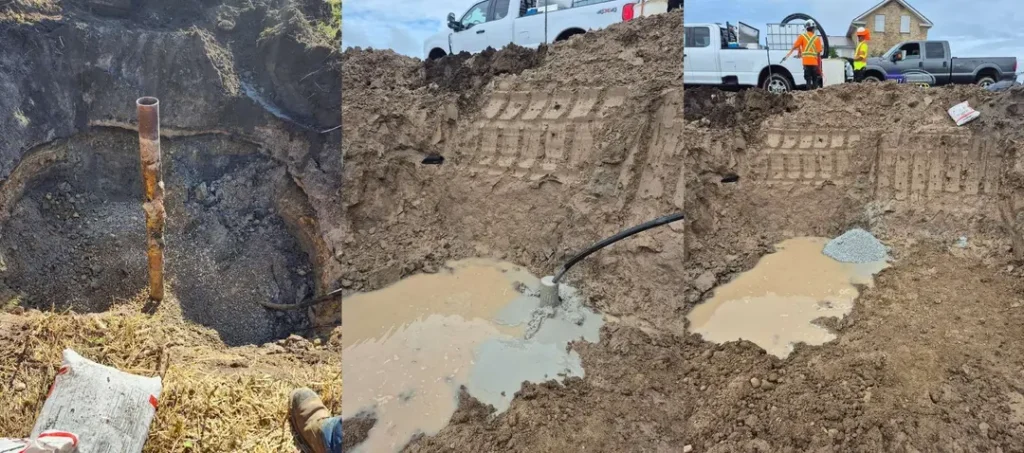
VEI’s field teams routinely inventory, maintain, and decommission environmental wells to Ontario standards – coordinating with QPs on RSC schedules, lining up licensed well technicians/contractors, and ensuring complete tagging and record submissions. Proper abandonment is a small line item that can prevent big groundwater headaches later.
For more information, please visit Well Decommissioning | VEI Contracting inc or reach out to VEI at info@vei.ca or (519) 653-8444.

Disclaimers:
The Government of Ontario / MECP does not endorse VEI or its services.
Readers are directed to the following resources for complete and authoritative requirements regarding wells and well abandonment in Ontario:
- R.R.O. 1990, Reg. 903 WELLS | ontario.ca
- MECP Wells Regulation – Well Abandonment: How to Plug and Seal a Well (technical bulletin) | ontario.ca
- MECP “Test holes and dewatering wells – Requirements and best management practices | ontario.ca”, and
- MECP “Water Supply Wells: Requirements and Best Practices | ontario.ca”