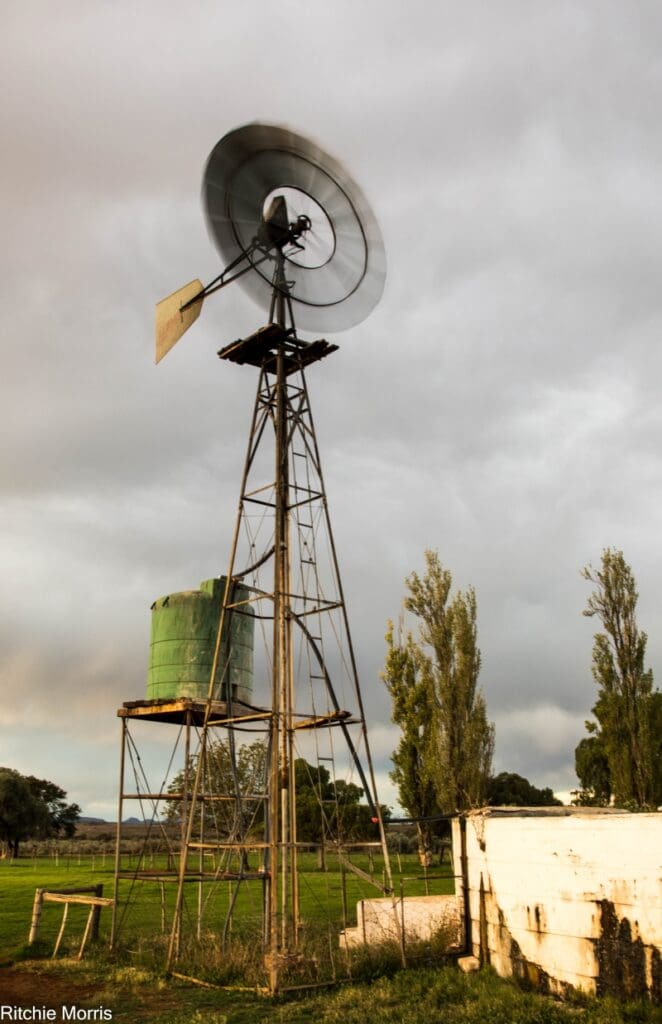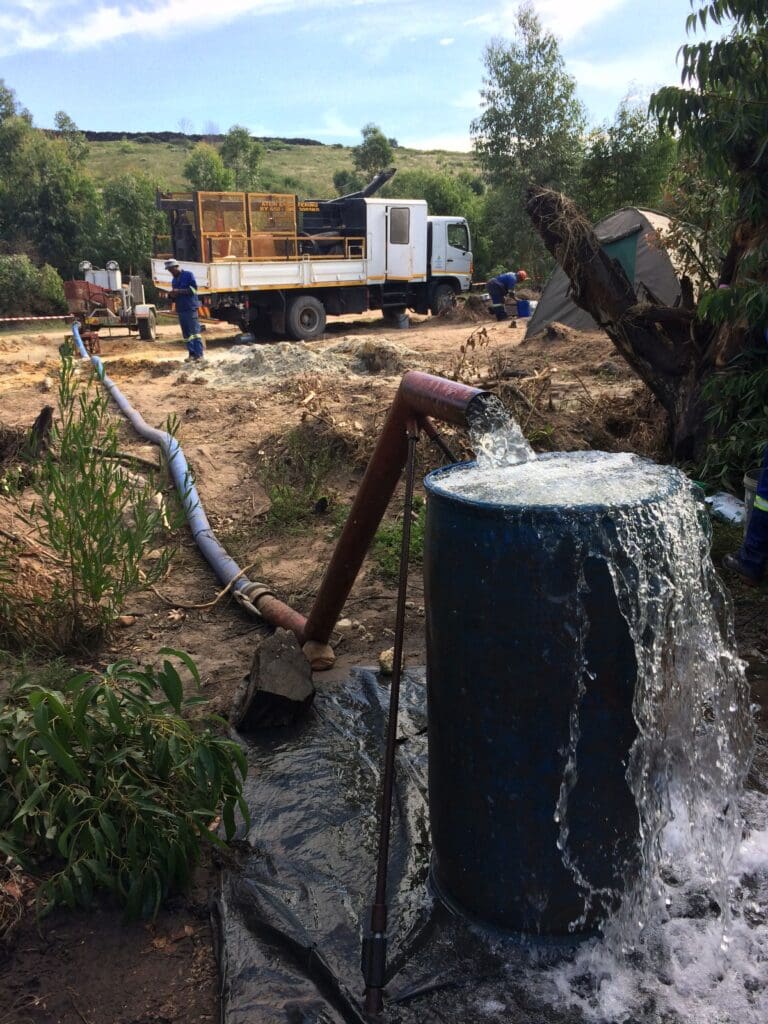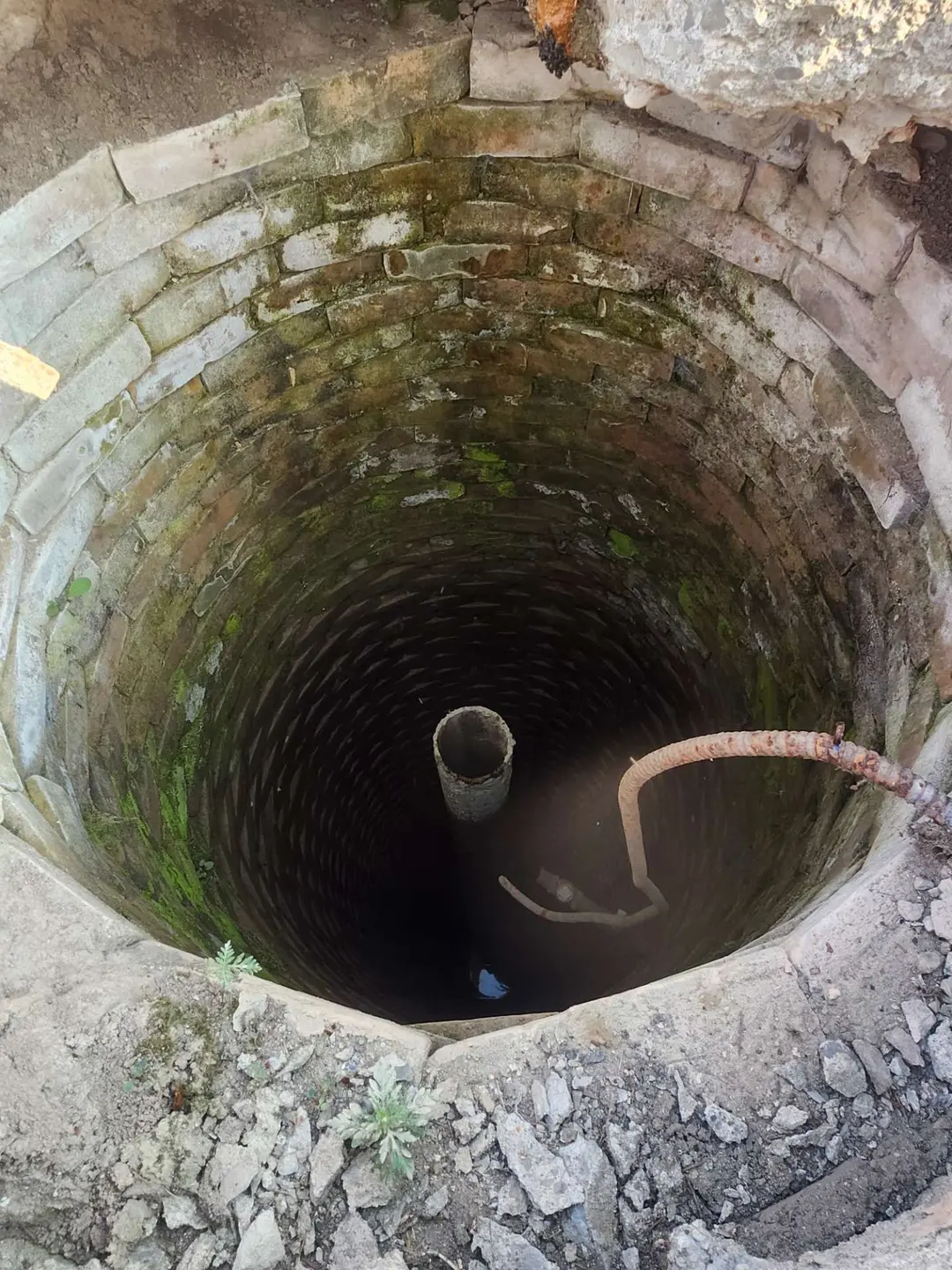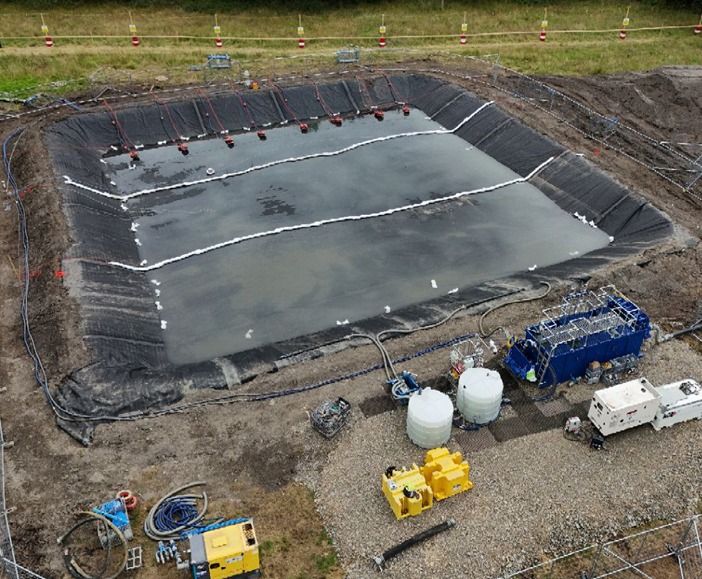
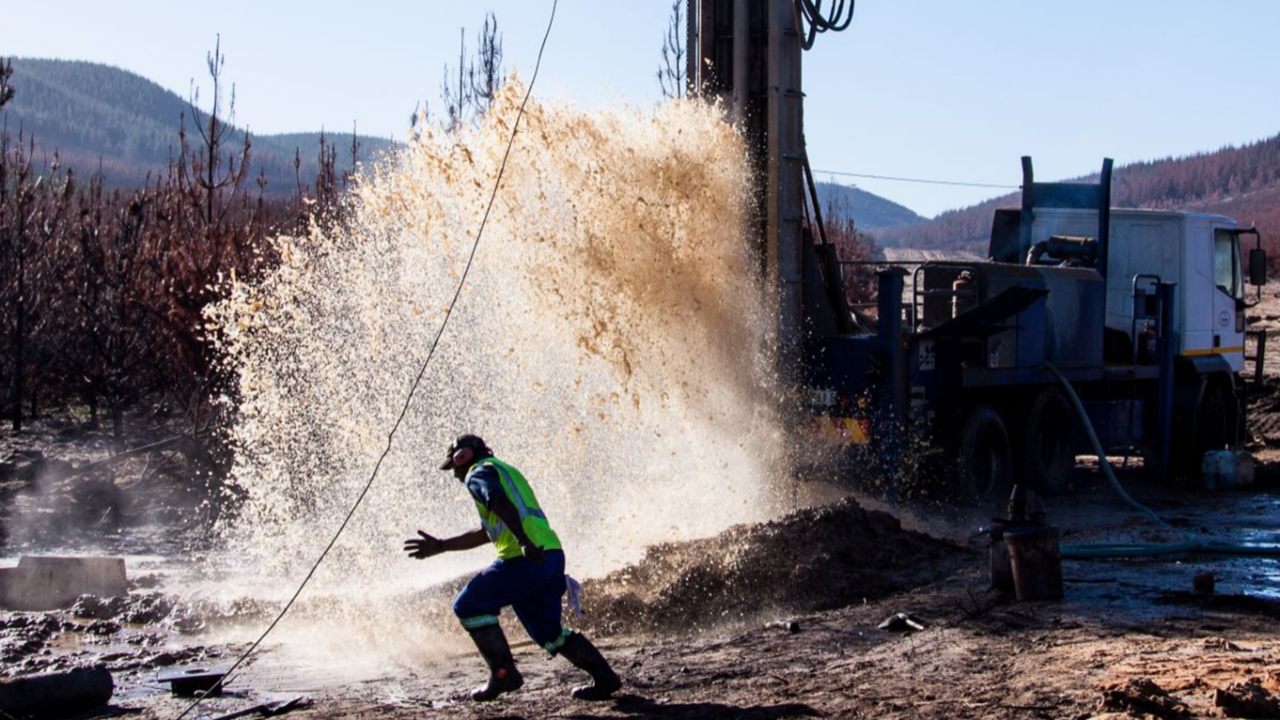
Groundwater is a highly used renewable water resource by volumes. Yet, is poorly understood by the layperson due to its complexities in terms of storage, flow, recharge and chemistry. This makes groundwater management complex. South Africa has variable groundwater environments with diverse aquifers across the country. Consequently, good hydrogeological knowledge is needed for development of groundwater, followed by applied science for management and protection of the resource.
“When the well’s dry, we know the worth of water.” Benjamin Franklin
This article highlights problems around municipal water supply, with particular reference to groundwater. Recommendations are made on how to correct these problems.
“CHALLENGES” must be the most frequently and broad-meaning word used in South Africa – particularly by authorities when referring to water supply problems. In most cases the ‘challenges’ arise, not due to water availability, but due to inadequate planning, plus neglect of existing municipal water supply, distribution and treatment infrastructure.
Groundwater has received much prominence in the past few months due to so-called ‘drought’, or ‘water shortage’ conditions in many parts of the country. There is a difference between drought, and water shortages due to supply system failure. It has occurred that a municipality announces water restrictions due to a ‘drought situation’, whereas, adequate rainfall has occurred, and groundwater resources are present. It is disingenuous to apply water restrictions with penalties when the real reason is water supply distribution failures caused by system breakdowns and poor technical performance.
Around 400 towns in South Africa rely on boreholes for sole or part of their water supply. Several metros also use groundwater as part of their supply. In rural areas around 75% of water supply is from boreholes. There is undisputed evidence of the importance of groundwater as a source of supply for domestic and agricultural use in many parts of the country.
Like self-provision has occurred for electrical supply, so too is ‘water backup’ now happening. Groundwater is increasingly seen as one of the solutions by many urban residents.
What is apparent from recent ‘municipal water shortages’, is the disregard that municipal officials have for their groundwater supplies and related infrastructure, whether it be a single borehole, or several boreholes making up a wellfield. Only when crises arrive, do investigations occur to find that available groundwater infrastructure has not been maintained. This may include missing or broken borehole pumps, stolen electrical cable or pipes, or clogged boreholes. Recent water supply crises have also shown that the municipal authorities fail to prepare properly when forewarned that shortages from traditional supply sources are eminent, crises management is left too late.
Droughts are not a new phenomenon. The frequency may have changed, but the consequences are now greater due to larger urban populations using old infrastructure. Planning and preparedness for predicted drought situations is the problem.
Instances of emergency groundwater interventions include Cape Town, Port Elizabeth (now Gqeberha), Mossel Bay, George, Knysna, Sedgefield, Plettenberg Bay, Makhanda (Grahamstown), Graaff Reinet (now Robert Subukwe Town), Beaufort West, Ladismith and Oudshoorn. Almost without fail, as soon as the crisis passes, the groundwater resources are abandoned or allowed to fall into disrepair. The cycle is then kickstarted again with the arrival of the next crisis. It takes time to develop water supply systems including groundwater. Exploration, implementation and operationalisation should be undertaken in the good times to be prepared when the next shortages occur.
Managed Aquifer Recharge (MAR) is a proven technique to enhance the sustainability of a groundwater resource. Where feasible, it should be implemented in support of conjunctive municipal water supply schemes. Dr Murray has written and presented courses in this regard.
It is annoying to repeatedly hear politicians pontificating about what will be done to address water supply issues. Pronouncement on actions to solve water shortages has gone on for many years, but evidence shows a deteriorating situation throughout the country Johannesburg a recent case.
In August 2005 then Minister of Water Affairs and Forestry, Ms B Sonjica stated in a SAFM interview at the Northern Cape Provincial Water Summit, to Ms Merrington (SAFM-PM Live), “As far as that is concerned, we have not done very well. We are in the process of ensuring that we are able to access groundwater. In terms of our experience, we are not that experienced in terms of developing and protecting groundwater.” Morris heard this interview and wrote to the Ministry noting that SA has many capable hydrogeologists, several within her own Department. He made the following suggestions “I respectfully request that your Department ‘look locally’. If the USA are offering aid money for water supply development, then stipulate that it must be spent using, or at least involving, local expertise”.
Dr Parsons has written extensively on groundwater issues in South Africa. In a 2018 article he noted, “there is an army of hydrogeologists in South Africa who know much about groundwater. The 350 members of the Ground Water Division – established in 1978 – are found in government, academia, research organisations and consultancies”.
Andrew Johnstone, in his 2024 article with Ms Metcalf of the SA National Bottled Water Association discussed the need for groundwater protection. They noted, “Where groundwater is located close to human activities it may become contaminated by anthropogenic sources such as sewerage leaks and chemicals”.
What are the solutions?
What is evident is that many municipalities using groundwater do not have the competence, will, nor capability and finance, to manage the resource and associated infrastructure. Only two municipalities are known to have employees that are professionally registered hydrogeologists, or properly trained technicians. This situation is exacerbated when municipal officials do not follow the recommendations made in hydrogeological reports for example, over-pumping of boreholes, no or inadequate monitoring of water levels, plus insufficient protection and maintenance of infrastructure.
Dr Murray is of the opinion that, ‘On new or upgraded groundwater projects, hydrogeologists must be included by municipalities and their engineers in the commissioning phase that final phase of a project when infrastructure is checked to ensure it has been installed to the specifications of the design engineers and hydrogeologists’. There is general lack of understanding of groundwater supplies by municipal engineers/technicians. What is needed is a course, ‘What engineers need to know about groundwater’.
Oversight of Water Use Licences (WUL) is delegated to the Catchment Management Agencies (CMA’s). A WUL will be issued with a set of requirements which will stipulate what monitoring must occur, including audits with reporting back to the CMA on the status quo. It is questioned whether this auditing and reporting adequately occurs, or whether the CMA’s take note of the audit findings.
It is recommended that WULs for municipal groundwater use MUST include a requirement for the appointment of a qualified hydrogeologist, either as an internal employee, or as an independent professional, to undertake oversight of every municipality’s groundwater supply scheme.
The following actions are also recommended:
- Groundwater must be seen as not just a supply source in times of emergency. It must be included as part of future conjunctive water supply schemes.
- Provinces should appoint hydrogeologists to audit all municipalities that use groundwater to assess the functionality of their infrastructure and whether adequate monitoring and management of the resource is occurring. Ensuring a sustainable groundwater supply should not be complex as long as an appropriate monitoring and management programme has been created and is followed.
- CMA’s must follow-up on WUL’s audit reports and whether the groundwater is being sustainably used.
- A properly qualified and experienced hydrogeologist must be appointed to the Presidents’ Water Task Team as announced in the 2026 SONA. This person will need to be persuasive in making recommendations regarding groundwater use.
- The Groundwater Division of the GSSA should respond to the Parliamentary call for public submissions on the Water Services Amendment Bill (B24-2025).
- Political ‘players’ at national, provincial and municipal level must step-back from interfering in technical issues around water. These must be left to the appropriately qualified people, ie scientists, engineers and technicians working with the Municipal Manager and team.
- ‘An introduction to Groundwater’ course must be available to Universities/Technicons as a module for civil engineering studies. Especially for a career in water related issues.
- Rethinking on the ‘economics and worth of (all) fresh water’ is required.
OUTA statement: “Water funds have been mismanaged for years,” says Duvenage. “Unless revenue is protected, procurement is transparent, and officials who fail society are removed and charged, we will be stuck in this place for years to come.”
Building on the above statement by Mr Duvenage, in an article by Prof Anthony Turton on 8 October 2025, he noted: The economics of water just don’t make sense, simply because it is treated as a social good. We call this model Winer, an acronym for “water is not an economic resource”. This article holds an important message for all users and managers of water and particularly the State that sets the laws.
In Conclusion
Although water is now classed as a state-asset, the management of SA’s limited water resources should not be left just to the State. One only has to reference the statements made on the SA Government News site around the time of the 2017-18 droughts to see that the actions to be taken have not led to any meaningful improvement in municipal water supply. We need to ask why?
Though South Africa has various Acts and ample guideline documents around the development, use, licensing, protection and management of water resources, it is the opinion of the writers that they have become overly complicated due to amendments and shared-accountability. Accordingly, it is difficult for authorities to effectively enforce the laws, never mind users to understand what their responsibilities are.
While the licensing of water use may be noble in its objective, the WUL application process, for groundwater, via eWULAAS has grown into a technical version of the Nyami Nyami Monster. It is so overly complex and demanding in its data requirements for licensing groundwater use that in time it will become unrecognisable and extinct, being fed unnecessary data that ultimately morphs into inaccuracy. WUL of groundwater use needs to be a lot more pragmatic and structured for different scales of use.
The value of South Africa’s water resources for the survival of its people, business, growth and the needs of environment/ecological survival is crucial if the country is to move forward and improve the lives of its citizens. Streamlining the way water use is licensed and managed must happen including our hidden treasure of groundwater.
[The co-authors of this article each have ~40+ years in groundwater resource development and management throughout South Africa].